








Navigating Changing Sexual Orientation in a Relationship
5 Min. Lesezeit
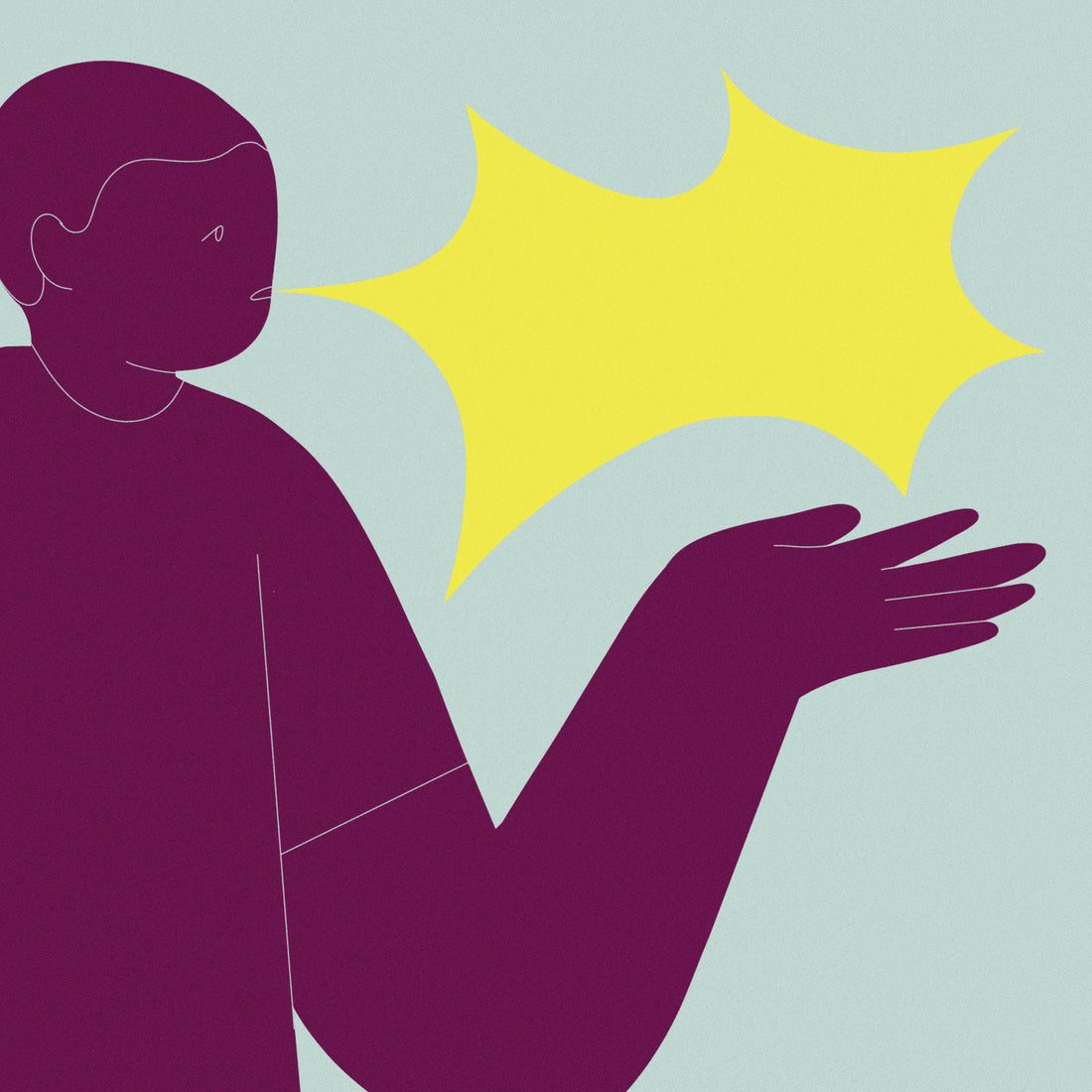


You’re here and you’ve recently realized you’re queer. There’s just one thing—you’re in a relationship and don’t quite know what to do. Sexual orientation is not set in stone and may change later in life when you meet a new person and discover an attraction, or find a new term that better encompasses your experience.
Changes in sexual orientation are common. A 2023 poll by Gallup of over 10,000 adults found that at least 7.2% of US adults identify as part of the LGBTQ+ spectrum. Two-thirds of LGBTQ+ Gen Z individuals identified as bisexual, as did 62% of LGBTQ+ millennials.
In a relationship, navigating a change in sexual orientation can bring up a range of feelings and questions. Someone might feel afraid about what might happen to the relationship, excited to explore new feelings, or overwhelmed by a flood of new emotions. For others, it might not feel like a big deal, especially depending on their family upbringing, exposure to LGBTQ+ pop culture, and supportive network of LGBTQ+ allied friends.
“It is important to emphasize that sexual orientation is not a choice and that individuals have no control over who they are attracted to. However, a person's sexual orientation can evolve and change over time, depending on various factors such as life experiences, social interactions, and personal growth,” explained Aliyah Moore, Ph.D., a sex therapist and relationship expert.
Coming out to your partner
Chances are, if you’re in a relationship and navigating changing sexual orientation, you’re likely wondering what to do next. When should you bring it up with a partner? How do you know you’re ready? While coming out is an entirely personal experience, you’ll likely know when it’s time from a few indicators. While it’s important to feel safe and ready to tell a partner, it can also help you feel liberated and give yourself permission to be a more authentic version of yourself.
If you’ve sat with the information for a while, you might start to feel uncomfortable not disclosing it. If you’ve done your own research and some self-exploration around what your identity might mean for you and what your needs are, it’s likely a good time.
Especially in long-term relationships and marriages, it can be helpful to seek support from a counselor before telling a partner. Coming out can also be easier with strong support from your LGBTQ+ community (hint: you can find your nearest LGBTQ+ center here!)
When you’re feeling ready, you’ll want to choose a quiet and safe place to tell your partner. You should expect to have multiple conversations about it; your partner will likely have follow-up questions. It’s important to remember that you might not have all the answers, and you also don’t have to figure out how this will affect your relationship during the first chat.
How to support a partner coming out
Don't make it about you
Sure, you’ll likely have questions about how this will affect the relationship, but giving your partner a safe container to disclose is crucial. You can ask all of your questions at another time.
Ask open-ended questions
Rather than asking questions about why your partner is just telling you now, or how soon they knew, try and ask open-ended questions such as how your partner is feeling about their orientation.
Educate yourself
While it’s your partner’s job to tell you their identity, it’s not their job to school you about LGBTQ+ identities. It can be helpful for you to do your own research around terms, inclusivity, and your partner’s specific identity. “Avoid making assumptions…and focus on being supportive,” Moore said.
Give them support, love, and security
Coming out, especially as a first experience, can be daunting. Try and empathize with the feelings your partner might be having, such as anxiety, fear of losing you, and concern over not being accepted. “It is crucial to respect your partner's privacy. Their sexual identity is their own, and it is important to avoid sharing it with others without their consent. Be mindful of the impact your actions and words may have on your partner and prioritize their comfort and well-being,” Moore said.
What does this mean for the relationship?
It’s likely that you’re questioning what a partner’s identity means for the relationship. Of course, how your partner identifies and what they might need will influence your ability to stay together. While your relationship doesn’t have to necessarily change, it will likely shift. For each partner, it’s helpful to become intentional about what you might need or want. You might require time for individual processing or seek the help of a queer-affirming couple’s counselor.
The relationship can change based on the identity someone comes out as. But really, that’s just one piece of it. You might not want to lose each other, and the kind of support and respect you show for one another during this time is paramount.
How a relationship can change depends entirely on the needs of partners. Someone might be able to get their needs met by feeling part of the LGBTQ+ community. They might want to explore other relationships outside of their existing relationship. It’s important to have conversations about what each partner needs to stay in a relationship with one another.
One clear indicator that may signify it's time to end the relationship is a lack of acceptance or support from one or both partners, Moore said. Also, if the LGBTQ+ partner is unable to fully express themself or feels as though they have to hide any parts to maintain the relationship, it can be emotionally damaging and unsustainable, Moore added.
Ultimately, you might choose to open the relationship or keep it closed. The most important parts are that partners can meet their authentic needs, and have vulnerable conversations around how to support one another’s identity.
-
 Relationships
How to Apologize (And Mean It)
A heartfelt apology can be a powerful tool for healing wounds and rebuilding trust.
-

Rediscovering Intimacy After a Long-Term Relationship Ends
In this journey, one not only rediscovers intimacy but also emerges stronger, more self-aware, and ready to embrace a newfound perspective.
-
 Relationships
Novelty and Relationships: How To Stay Passionate in a Long-Term Relationship
The solution to bringing back the passion in your relationship can be as simple as doing something new with your partner.
-
 Relationships
A Couples' Guide to Establishing Healthy Boundaries in the Bedroom
Respecting boundaries is not only a sign of love and consideration but also a way to build trust within the relationship.
- Alle anzeigen


