








How to (Re)Connect with Your Body in Cancer Recovery
6 Min. Lesezeit
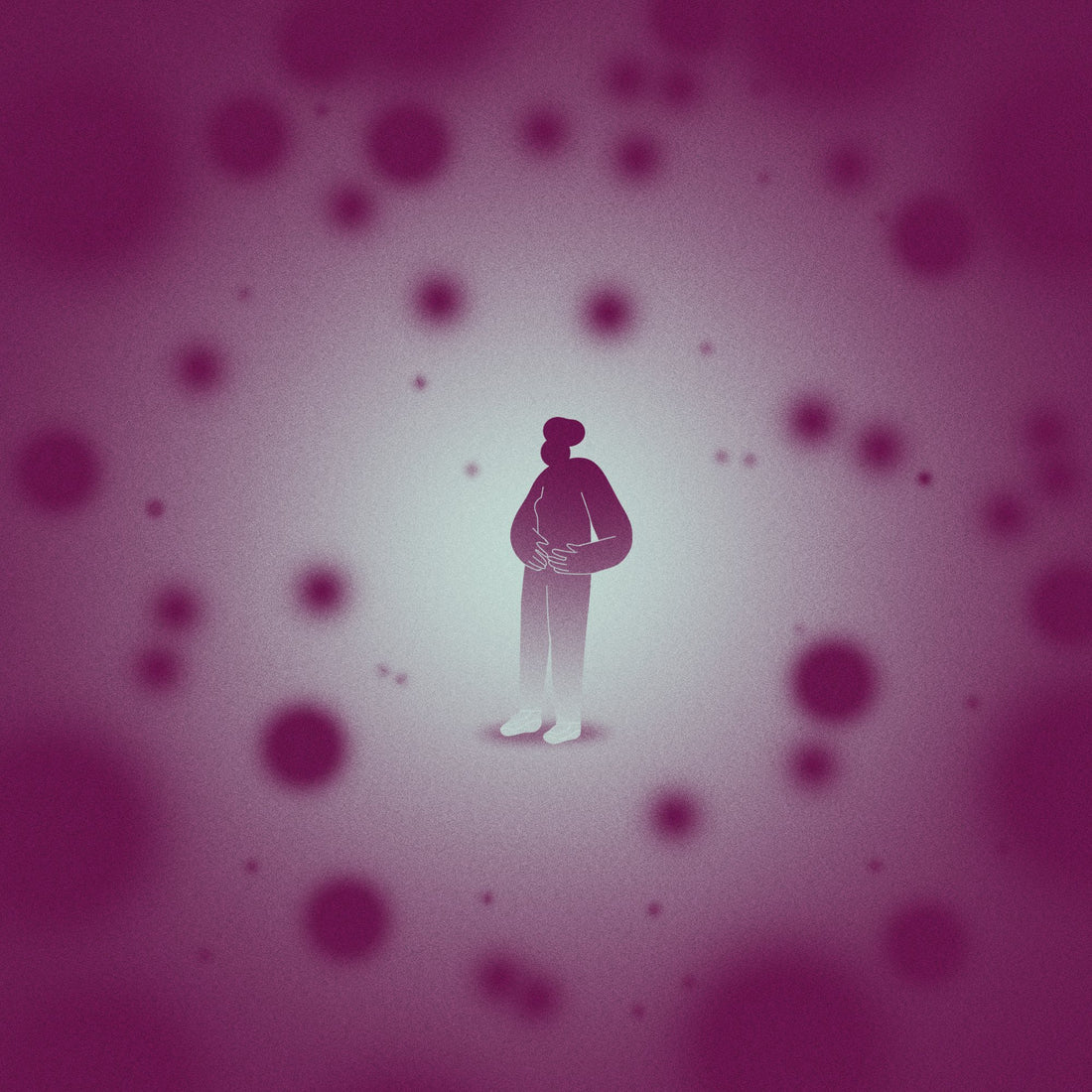

If you’re in cancer recovery, that doesn’t mean that your life just goes ‘back to normal’, and doesn’t feel changed in some way. Cancer treatments affect your physical health, but also your emotional health and wellbeing, sometimes, in an even stronger way.
You may not only experience fears, anxiety, and depression; your brain itself may have altered the way it works. In the same way that those who have gone through cancer need to focus on rebuilding their physical health, it’s important to take care of the body’s emotions and be kind to the mind. Often, these two things go hand in hand, and working on your physical health will improve your wellbeing, and vice versa.
Experiences with cancer are unique in each case, and every feeling is completely valid. You may feel that you need to be strong and protect your loved ones from their own fears about you being sick, or perhaps you like to lean on others. Try not to compare yourself to others and instead look at what will help you through your recovery.
Why may somebody feel disconnected after going through cancer?
“Seeing patients with cancer, a common thought shared with me is that some people believe that they got cancer because of something they did or did not do,” says Dr. Hana Patel, specialist in mental and women’s health. However all bodies are different and cancer can happen to anyone. During recovery, people may feel that they do not trust their body or symptoms that they experience after being diagnosed with cancer, and it is a common fear that any symptoms may be a recurrence of cancer. Dr. Hana explains that “doctors are more vigilant for symptoms that patients with cancer may present with once again, or in managing concerns such patients may have.”
How can somebody rebuild their strength after cancer?
Depending on the services available local to where you are, Dr. Hana recommends making an appointment with your local doctor to see how you are feeling, generally, after treatment for cancer.
You can expect to be asked if you are experiencing pain, fatigue, emotional concerns, physical challenges and whether you are unable to do certain things - and even discuss your ability to work. It may be helpful to speak to your doctor to try and get support and advice on an exercise plan that suits your current exercise tolerance and needs.
The American Cancer Society recommends adult cancer survivors exercise for at least 150 to 300 minutes a week. Try to include strength training amongst this, with days off in between. This will help you to recover physically, and emotionally, after cancer.
How does somebody build their immunity and stamina after cancer?
“The recommendations for cancer survivors are no different from those for anyone who wants improved health,” says Dr. Hana. Exercise, a balanced diet, maintaining a healthy weight, good quality sleep, and keeping stress levels to a minimum. Try to avoid smoking if possible, and limit the amount of alcohol you drink.
Why is it important to (re)connect with your body in cancer recovery?
A healthy lifestyle will decrease the risk of some cancers coming back. A growing number of studies have looked at the impact of physical activity on the recurrence of some cancers and long-term survival.
Studies conducted with people who have breast, colorectal, and prostate cancers suggest that physically active cancer survivors have a lower risk of cancer recurrence and improved survival compared with those who are inactive.
Other studies add to existing evidence linking physical activity with longer survival in women diagnosed with high-risk breast cancer. Women who engaged in regular physical activity before their cancer diagnosis and after treatment were less likely to have their cancer come back (recur) or to die compared with those who were inactive, the study found.
And, it’s not just about your physical health. You have likely longed for this day where you can say goodbye to treatment and constant worry, but it can be very scary too. You might feel anxious about seeing your doctors, be concerned about things that have any negative impact on your health, and feel confused as to how you get ‘back to normal’. All of this is completely valid, and typical for those who have gone through cancer. You will need to focus on caring for yourself, and working with your mind, not just your body.
Acknowledge the fear you’re feeling, grief you’ve experienced, and any loneliness, self-doubt, and isolation that you feel. Lay down ideas of why you may be feeling this way, and try to label them into different perspectives - looking at what is rational and what is not. Then, whether alone, or with the help of a therapist/loved ones, you can take steps to manage your thoughts.
What may you want to focus on to (re)connect with your body after cancer?
After cancer, you may notice that your confidence levels have decreased. This could be as a physical result of the harsh impact cancer and its treatments have on your body, or because of emotional stress. Remember that your body has been through an incredible amount, and is very precious. Be kind to yourself, allowing yourself to see your body in a more positive light, and practice self care.
Make sure that you attend your follow-up appointments and tests, and be open and honest with your doctors and loved ones about your concerns. It’s important to listen to your body, and that will help you feel more in-tune with it. You may find that complementary therapies such as yoga, or meditation, help you balance your emotions, and keep your stress levels down.
Your physical health is very important when it comes to reconnecting with your body post-cancer. Do what you can to stay active, even if it's working out at home with resistance bands, or going for a fast-paced walk. Exercise not only gives you strength and cardiovascular endurance, but it can help you recover more quickly from surgery, mitigate chemotherapy side effects, improve your mental and emotional wellbeing, and improve your overall health.
Can (re)connecting with your body help life 'go back to normal'?
“Yes, it can,” says Dr. Hana. “Try to reduce the anxiety of cancer recurrence and be more aware of your body and symptoms, to try and 'trust' your body to know when to seek medical advice and catch recurrence early if it does come back.
-
 Health
Understanding the Female Reproductive System: A Primer
Due to the unfortunate lacking in the sex education system, especially when it comes to the female body, not everybody understands just how the female reproductive system works – even...
-
 Health
Sexual Wellness and Chronic Pain: Coping Strategies
With a variety of coping strategies, it is possible to have a satisfying sex life with chronic pain.
-
 Health
The Connection Between Gut Health and Sexual Health
From desire to dysfunction, it’s no surprise that gut health can play big a part in sexual health.
-

The Role of Nutrition in Sexual Wellness
Let’s explore the intricate relationship between nutrition and sexual wellness, shedding light on how a balanced diet can enhance intimacy and overall well-being.
- Alle anzeigen


