




Understanding the Female Reproductive System: A Primer
6 Min. Lesezeit
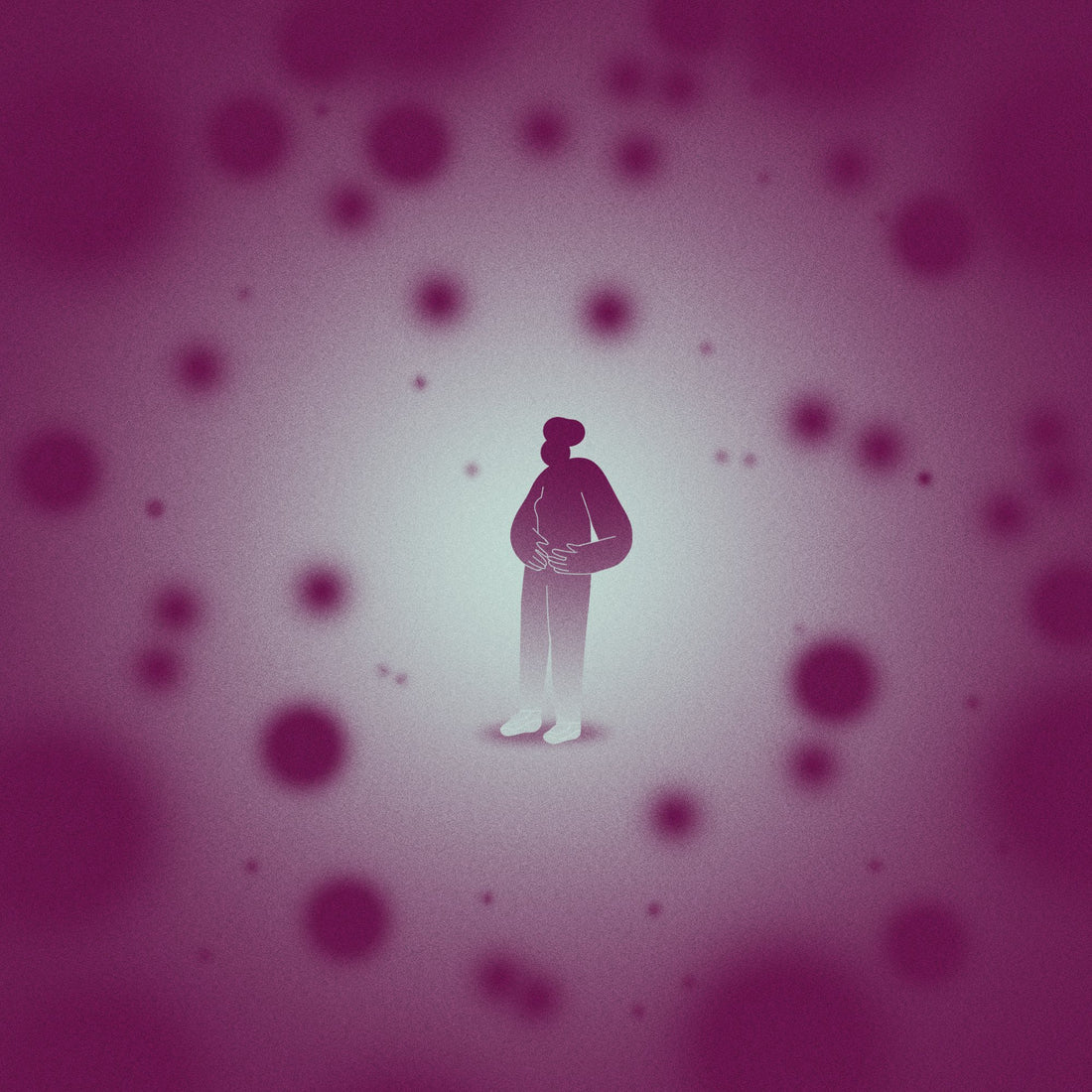


Due to the unfortunate lacking in the sex education system, especially when it comes to the female body, not everybody understands just how the female reproductive system works – even those who have one. You’ve probably heard people refer to the vulva as the vagina, or say that they’re carrying a baby ‘in their tummy’, and these comments can create misconceptions of how the female reproductive system works.
You may only bleed for a few days a month (unless you suffer with a condition like endometriosis or menorrhagia), but the female reproductive system is constantly at work. From hormone imbalances to the way that women feel during different parts of the cycle, and how conditions such as PCOS and the menopause can cause other changes or complications.
What is the female reproductive system?
The female reproductive system includes internal and external organs and produces reproductive hormones, fertility, menstruation, and sexual function. For those who are AFAB (assigned female at birth), the female reproductive system is there for sexual intercourse, reproduction and menstruation.
To create a primer on understanding the female reproductive system, we spoke with Dr. McElligott (OB/GYN, MD, MPH), the medical advisor at Mira, to break things down.
The Internal Reproductive Organs
Uterus
The uterus is a muscular organ with an internal cavity to support pregnancy. The lining of the uterus is called the endometrium. The endometrium is the source of menstruation and the intended location for embryo implantation.
Ovaries
The ovaries contain eggs and produce hormones related to menstruation and fertility. Ovaries are located on either side of the uterus, house oocytes (eggs), and produce reproductive hormones.
At birth, females have 1-2 million dormant primordial follicles, structures within the ovary that each contain an oocyte.
In response to signals from the brain, ovarian follicles are activated each reproductive cycle to release an oocyte. These follicles are also the source of the reproductive hormones oestrogen and progesterone.
Pituitary gland
Although not part of the pelvic anatomy, the pituitary is an essential gland in the brain that plays a central role in reproduction. The pituitary produces gonadotropins (FSH and LH), which signal follicle activation in the ovary.
Fallopian Tubes
The fallopian tubes are delicate tubes attached to the top two corners of the uterus and extend to each ovary. The fallopian tubes have delicate cilia that pull in and transport the oocyte. The fallopian tubes are the site of fertilisation and transport the oocyte/embryo to the uterus.
Cervix
The cervix is the opening to the uterus — cervical mucus is hormonally sensitive and changes throughout the month. There is a hole in the centre of the cervix which is where blood leaves and sperm enters. During childbirth, the cervix dilates to allow for birth.
Vagina
The vagina is the reproductive canal between the cervix and the vulva. This canal receives the penis during sexual intercourse and is the passage that a baby exits the womb from during childbirth.
The External Reproductive Organs
Vulva
Vulva is the general term for female external genitalia. People often say "vagina" when referring to the external genitalia, but the most accurate term is "vulva."
Mons
The area over the pubic bone where hair grows.
Clitoris
The external genital organ that is densely packed with nerve endings. The glans clitoris is the small nub visible at the top of the vulva; the rest extends further into the vulva and is not visible.
Labia
There are two sets of external folds/lips on either side of the vaginal opening (inner and outer). Labia vary in size and shape from person to person.
Bartholin’s Glands
Glands on either side of the vaginal opening. They secrete lubrication and scent/pheromones.
Skene’s Glands
Glands on the other side of the urethra (the opening to the bladder). These glands swell during arousal to prevent urination while aroused.
What role does menstruation play?
During each reproductive cycle, the endometrium thickens, creating a supportive environment for possible embryo implantation. If implantation does not occur, the lining of the uterus sheds, which we call menstruation.
Pregnancy
To reproduce, the female and male reproductive systems collaborate in reproduction. When a sperm cell successfully unites with an egg cell, fertilisation occurs, resulting in the formation of a zygote. This zygote ultimately develops into a foetus.
Once fertilised with sperm, the female egg produces children. As the foetus grows, the female body changes, including the widening of the pubic symphysis, to prepare the body for birth.
What roles do hormones play?
Oestrogen
Oestrogen plays a crucial role in regulating the menstrual cycle, with its fluctuations dictating the different phases of this monthly process. Additionally, oestrogen readies the uterus for potential fertilisation, ensuring it can support embryo implantation, while also contributing to the development and sustenance of secondary sexual characteristics in females, including breast growth and the appearance of pubic and armpit hair.
Testosterone
You may hear testosterone and think of it as the 'male' hormone, but it helps the female body with its sex drive and production of blood cells. When females have too much testosterone, they can experience an enlarged clitoris, and frontal balding. But, low levels can cause a lowered sex drive and low mood. Women with PCOS have symptoms similar to those produced by high testosterone levels.
Pituitary Hormones
The pituitary secretes the gonadotropins follicle stimulating hormone (FSH) and luteinizing hormone (LH). FSH stimulates follicles to develop in the ovaries, which produce oestrogen and progesterone. A sharp spike in LH causes the follicle to rupture, releasing an egg.
Ovarian Hormones
The ovarian follicles produce oestrogen and progesterone. Oestrogen causes the endometrium to thicken, creating a supportive environment for embryo implantation. Progesterone acts like mortar between bricks, supporting the endometrium as it grows and holding it in place to support a possible pregnancy.
If no pregnancy occurs, oestrogen and progesterone levels fall, and the lining sheds.
What part do the different phases of our cycle play?
The Menstruation Phase occurs after the hormone levels fall and the endometrium sheds during menstruation.
During the Follicular Phase, follicles develop in the ovary, and the endometrium thickens as oestrogen rises.
During the brief Ovulatory Phase (Ovulation), a sudden increase in LH causes the ovarian follicle to rupture and release an egg.
During the Luteal Phase, the ruptured follicle becomes a corpus luteum and continues to secrete progesterone for around 14 days. If no pregnancy occurs, progesterone level drops, and the menstruation phase begins again.
What about hormone imbalances?
It's not just around our period that we encounter big changes in our hormone levels as women. However disruptive it may be, female bodies mean that throughout puberty, menarche, pregnancy, menopause and postmenopausal life, women experience a fluctuation in hormone levels. Along with this, a variety of medical conditions cause hormone imbalances. For those suffering with hormone imbalances, they may encounter symptoms such as weight gain, hair loss, fatigue, constipation, irritability, irregular periods, acne, hot flashes, insomnia and more. PCOS is the most common, and sadly can result in infertility, too.
Hormone imbalances can be found through a number of tests. When people are struggling with hormone imbalances, there are treatments that they're able to have. Depending on the condition or cause, they may be offered anti-androgen drugs, HRT, ovulation inducers or contraceptives.
-
 Health
Sexual Wellness and Chronic Pain: Coping Strategies
With a variety of coping strategies, it is possible to have a satisfying sex life with chronic pain.
-
 Health
The Connection Between Gut Health and Sexual Health
From desire to dysfunction, it’s no surprise that gut health can play big a part in sexual health.
-
The Role of Nutrition in Sexual Wellness
Let’s explore the intricate relationship between nutrition and sexual wellness, shedding light on how a balanced diet can enhance intimacy and overall well-being.
- Alle anzeigen


