










How to Be a Good Friend (And What to Look for In Others)
6 Min. Lesezeit
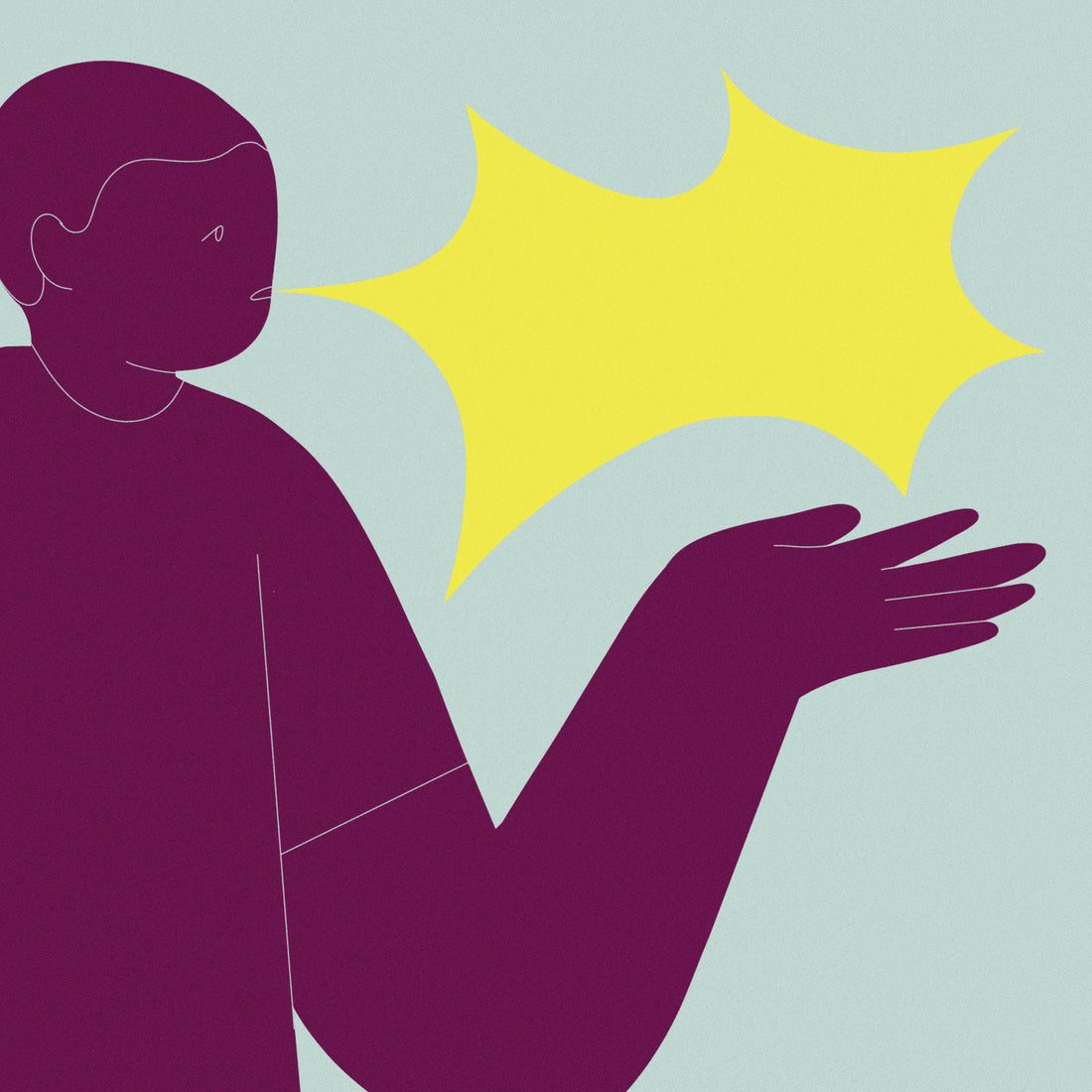


As an adult, building friendships that resonate with our values can be more challenging, but can also allow us to reflect on and affirm what is important to us.Many of us have lost friendships over the course of the pandemic. We may have fallen out of touch due to isolation. Or we may have realized that our previous friends actually don’t share our values, or don’t wholly support our marginalized identities. This realization can be painful, but it can also be an opportunity to build relationships that more deeply support us. Here are some tips for nurturing good friendships.
Look for Shared Values
In contrast to the simple commonalities on which we form friendships as children — ”Oh you like the color red? I like the color red. We should be friends,” says Davies — solid adult friendships depend on shared values. Davies also suggests that it’s not enough to simply agree that qualities like trust are important to us. We also need to define what those values look like in action. “We have to agree on what trust is. We have to agree on what support is,” says Davies. As with romantic dating, we can observe how a new friend acts toward us and other people in their lives over time. If that person consistently treats people in a way that resonates with their stated values, that produces trust. You can also simply discuss values that are important to you with potential new friends. “As corny as it may seem, you can ask somebody, “Hey, what does trust mean to you?’” says Davies. “It will spark a great conversation.”Date Your Friends
We’re familiar with the concept of dating a romantic partner — getting to know them in a way that unfolds over time. We can take a similar approach to making new friends. By getting to know a new friend with intentionality, we can identify shared values and learn more about our own intimacy patterns. Davies suggests that most of us weren’t taught many of the skills required to sustain close relationships: “In the same way that we’re not taught healthy relationships, we’re not taught healthy boundaries.” Good friendships can be a safer space to build healthy boundaries. We can also become better friends by learning how to validate other people’s experiences, including negative ones. “Validating people in how they feel is not a typical learned behavior in many households,” says Davies. “Emotions other than happiness, joy, and celebration areUplift Each Other
Building genuine, caring intimacy is a political act. Many feminist value systems, particularly the Black feminist practice of abolition, emphasize care as a means to build support beyond harmful state structures. For queer and trans people, as well as women and femmes — especially Black, Indigenous, and people of color — loving friendships with people who share our identities can be fundamental to our wellbeing. “It’s very important to feel validated, especially as a black woman,” says Davies. Meaningful friendships can be deeply sustaining in a system that teaches us to do disproportional emotional labor for cisgender men. “There are certain systems that support that viewpoint of, ‘Men have the final word, men control the narrative,’” says Davies. For example, men are taught that it’s “weak” to open up to other men, so many rely exclusively on women or feminine partners for emotional support. In contrast, when men build genuine friendships with each other, it can transform an entire community.Practice Solidarity
It’s vital for people who have more privilege to learn how to interact supportively with friends and community members who have less privilege, especially when it comes to race. “The typical white household, they stay away from those uncomfortable conversations about race and political views,” says Davies. This denial is one of the strategies white people use to distance ourselves from the discomfort of processing white privilege. White people must question how our enactment of whiteness harms folks of color and impedes our ability to form caring and egalitarian relationships. We can become a better friend in general — and especially to anyone marginalized in a different way than we are — by practicing empathetic listening. This requires “believing somebody when they say something about their experience and how they feel,” says Davies. “Believing them and keeping a curious stance of, ‘Okay, I don’t understand that. Tell me more.’” Friendship gives us space to practice relating to other people in egalitarian, mutually caring, and socially just ways. It enhances our wellbeing and our romantic relationships. And it helps us ask a revolutionary question: What if we treated all people with the kindness and respect that we expect from our closest friends?-
 Relationships
How to Apologize (And Mean It)
A heartfelt apology can be a powerful tool for healing wounds and rebuilding trust.
-

Rediscovering Intimacy After a Long-Term Relationship Ends
In this journey, one not only rediscovers intimacy but also emerges stronger, more self-aware, and ready to embrace a newfound perspective.
-
 Relationships
Novelty and Relationships: How To Stay Passionate in a Long-Term Relationship
The solution to bringing back the passion in your relationship can be as simple as doing something new with your partner.
-
 Relationships
A Couples' Guide to Establishing Healthy Boundaries in the Bedroom
Respecting boundaries is not only a sign of love and consideration but also a way to build trust within the relationship.
- Alle anzeigen


