






Sex & Menopause: What Actually Changes & What Helps
3 Min. Lesezeit

Menopause does something to your sex life, and our culture has just two settings for discussing it. Silence, or a joke about hot flashes. Neither is much use when you're the person actually living in it.
So here's the plain version.
What actually changes
As estrogen drops in perimenopause and menopause, vaginal tissue answers to that directly. That means you create less internal lubrication, and tissue becomes thinner, with less elasticity. Blood flow to the area changes too.
That's a physiological shift. It isn't evidence that you've stopped wanting anyone. Plenty of people also notice arousal takes longer to arrive, sensitivity moves around, and orgasm lands differently than it used to.
Desire, or libido if you want the clinical word for it, runs on more than hormones anyway. You're sleeping badly. Your mood is doing things. This stage of life isn't exactly engineered for languid afternoons. It's common for desire to turn responsive rather than spontaneous now, meaning it shows up after something starts instead of announcing itself first.
That last part is worth sitting with. Waiting to feel like it before you begin is a strategy that quietly stops working for a lot of people around here.
Use lube - and more than you think you need, too
If you change one thing, change this. Adding a good water-based lubricant into the mix, used generously and reapplied whenever, will handle all the friction and discomfort that menopausal vaginal dryness can create. Aloe Lube is plant-based, glycerin-free and paraben-free, which matters more now, because tissue that's more sensitive is also more reactive to whatever you put on it. Basically? Don’t be shy - use even more than feels reasonable. Then, use more.
A moisturizer is a different product doing a different job
So if a lubricant is for the heat of the moment; an actual vaginal moisturizer, like Play Balm, is for the weekly routine. You use it as part of your ritual, rather than only when you're having sex (although it also works very well during sex). A moisturizer works on hydrating the tissue over time, instead of easing friction merely in the moment. And wouldn’t you guess? Most people find out these are two separate things much later than they should.
Slow down, deliberately
Arousal may take a little longer than it once did. And that's just new information, not a fault.
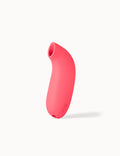
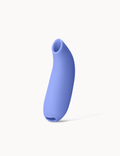
So, stretch out the part before and lean into foreplay. Take penetration off the table until you're clearly turned on rather than theoretically willing. Don’t forget your favorite vibrator, so clitoral stimulation is reliable, and not a group project.
When the drugstore aisle isn't enough, ask
Some menopausal issues won’t resolve with anything you can buy without a prescription. Vaginal estrogen, prescribed locally rather than systemically, is a well-established treatment for menopausal vaginal changes.
That's a conversation for you and your gynecologist - and it totally isn't something to white-knuckle alone just because the appointment feels awkward. It won’t.
The bigger picture
Menopause doesn’t mean there’s a door closing on your sex life. It's merely a transition that asks for some adjustment, the way every other stage of life has.
In fact, the couples and the individuals who come through it stronger are often the ones who communicate the changes, instead of quietly hoping their partner doesn’t notice.
-

Sexual Health Accessories Guide: Lubricant, Cleaner & What You Actually Need
Keeping a toy in good shape isn't complicated, but the basics (lube, cleaner, and a proper place to store it) are easy to overlook until something goes wrong.
-

Vaginismus, Pain During Sex, and How Toys Can Fit Into Recovery
Vaginismus is a real, treatable condition, not a sign that something's wrong with you or how you feel about sex.
-

Desire vs. Arousal: What’s the Difference?
Desire vs. arousal explained: dopamine, nervous system responses, and why women often experience arousal without desire (and vice versa).
- Alle anzeigen


