



PMS 101: Is My Body Trying to Kill Me or What?
4 min de lectura

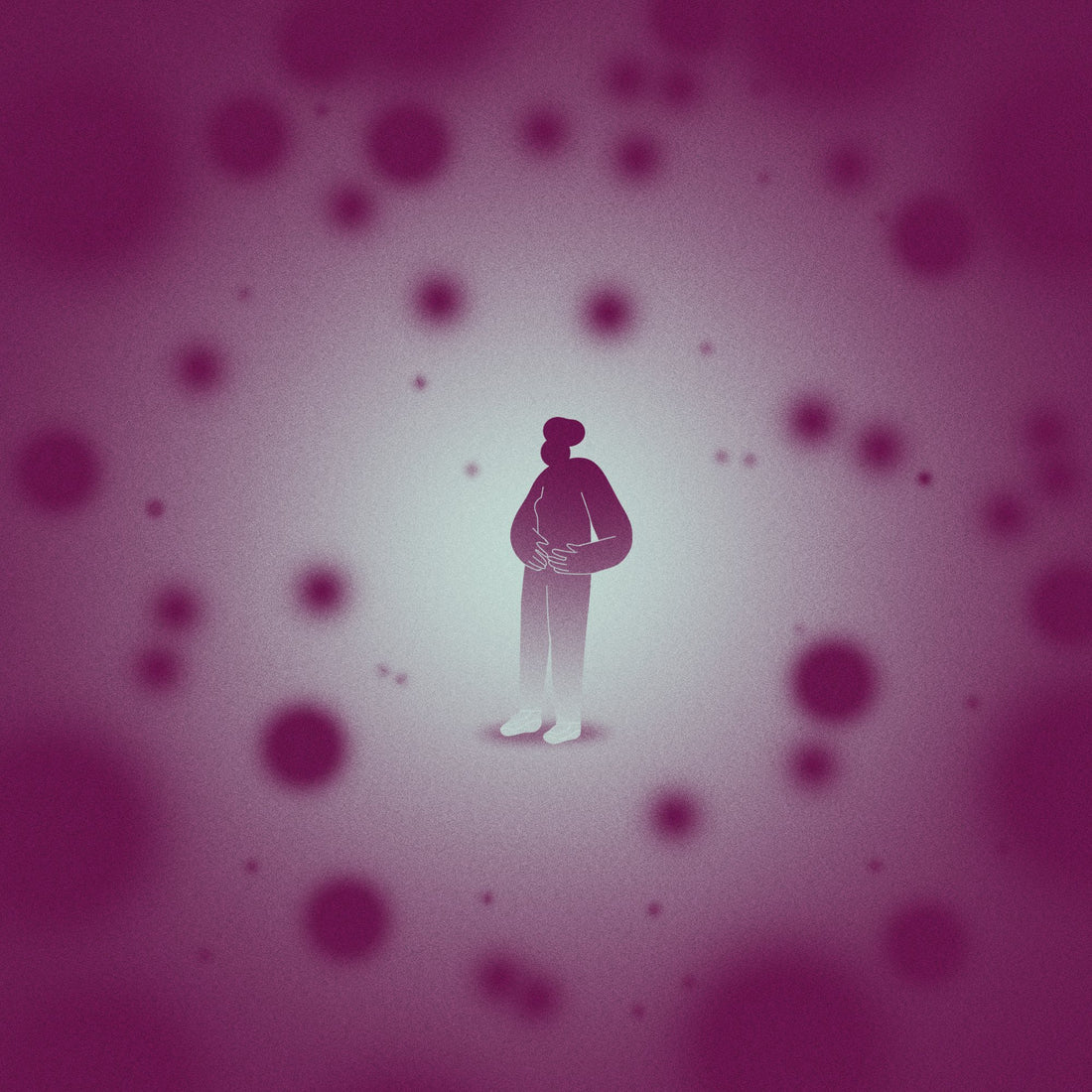

Reports suggest that 3 out of every 4 people who get periods experience PMS – premenstrual syndrome. Symptoms vary for each person, and even between cycles, and they can be both physical and emotional. PMS symptoms tend to occur in a pattern that you may come to recognize for yourself, but that’s not to say they can’t also spring up at random times or in new ways.
Physical PMS symptoms can include joint or muscle pain, headaches, fatigue, weight gain, bloating, tender breasts, breakouts and constipation or diarrhea. You may also experience changes to your mood, like heightened anxiety, depression, mood swings, irritability, social withdrawal, difficulty concentrating, change in libido and insomnia.
If your PMS symptoms are particularly bad and affect your day-to-day life, it’s possible you might have a more severe version of PMS called premenstrual dysphoric disorder (PMDD). It’s worth seeking medical advice for this to help you manage the condition.
Causes of PMS
Scientists have yet to definitively pin down what causes PMS (and as we know, research into menstrual and assigned-female health is significantly under-researched), but there are some key theories. One is that PMS results from changes in the level of the hormones estrogen and progesterone. A drop in estrogen, for example, triggers the release of a chemical in our brains called norepinephrine, which in turn means we produce less dopamine, acetylcholine and serotonin, the chemicals responsible for sleep and mood.
Estrogen is also thought to protect us from psychotic symptoms, so when our estrogen levels are lower, as they can be at various points in our cycles, this “protective” mechanism is not as effective, increasing our feelings of depression and other emotional difficulties. If you already have underlying mental illness or mental health difficulties, PMS may affect you more strongly, and/or you may experience heightened symptoms of your mental health condition.
How can I reduce my PMS symptoms?
There’s currently no known cure for PMS or PMDD, but there are steps you can take to reduce the impact of the symptoms. Some of these are lifestyle choices, like eating a balanced diet, cutting down on sugar, caffeine and alcohol, getting at least 7 hours’ sleep a night and regular exercise. If you’re looking for something to take the edge off the pain, paracetamol and ibuprofen are good options, and a heat pack or hot water bottle can help alleviate cramps and bloating.
If your mood is a big problem, you might want to consider therapy like CBT or talking therapies combined with medication if that is deemed useful for you.
Going with the flow
Society is not – yet – adapted to the way people who menstruate may need to manage their symptoms through the way they work, socialize and carry out daily activities. Keeping a regular diary of your PMS or PMDD symptoms might help you work out if there’s a particular point in your cycle when your mood is particularly low, for example. It can be helpful to plan for this, perhaps by focusing on easier work tasks or reducing your social activities in order to cope better.
Conversely, in times where you experience bursts of energy, you can factor in bulkier tasks and build a busier social calendar. Some people believe understanding your cycle better can help with your productivity. If this is something you want to know more about, there are helpful guidelines around what your energy might look like at different stages of your cycle and when you should consider rest or push ahead with bigger work projects.
Outside of productivity, understanding your cycle is crucial for caring for your own health, both physical and mental. Seeing rest as a benefit in and of itself, and not just a way to improve capitalist productivity, means reconfiguring your daily or weekly schedules to reflect how you feel at any given time. This can improve your overall quality of life and create better balance in your life. The most important thing is to listen to and care for your body – you know it better than anyone else.
-
 Health
Understanding the Female Reproductive System: A Primer
Due to the unfortunate lacking in the sex education system, especially when it comes to the female body, not everybody understands just how the female reproductive system works – even...
-
 Health
Sexual Wellness and Chronic Pain: Coping Strategies
With a variety of coping strategies, it is possible to have a satisfying sex life with chronic pain.
-
 Health
The Connection Between Gut Health and Sexual Health
From desire to dysfunction, it’s no surprise that gut health can play big a part in sexual health.
-
The Role of Nutrition in Sexual Wellness
Let’s explore the intricate relationship between nutrition and sexual wellness, shedding light on how a balanced diet can enhance intimacy and overall well-being.
- Ver todo


