



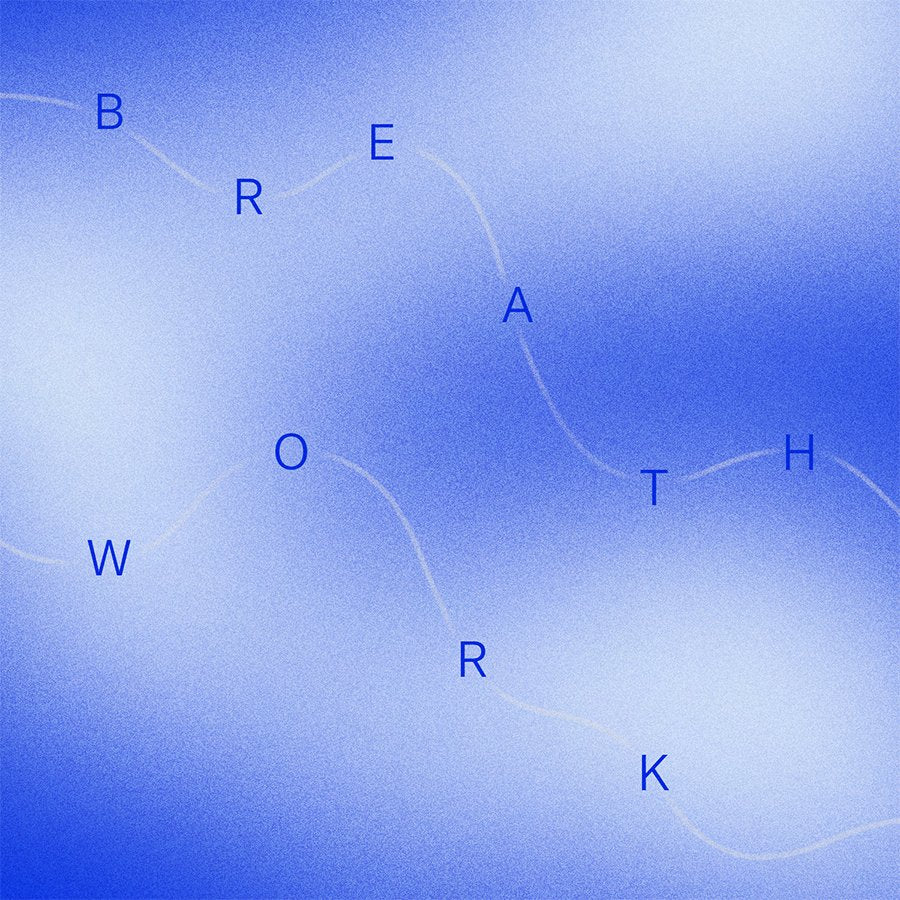
4 Breathwork Exercises You Can Use Anywhere
6 min de lectura


What is breathwork?
Breathwork is a broad term that encapsulates all types of therapy that draw on the power of the breath and breathing exercises. There are many different types of breathwork technique and ‘schools’ such as Holotropic Breathwork, Rebirthing and Shamanic Breathwork. However, they all share the essential principle of consciously controlling and changing your breathing pattern as an active form of meditation, therapy, or self-healing. The origins of breathwork lie in yoga and its fundamental concept of pranayama, which is the practice of breath regulation. If you find your mind wandering when you sit down to meditate, breathwork exercises can be a great alternative. Though they are still a type of meditation, they’re an active version that gives you something to anchor your mind with. The intentionality and focus needed to control your breath helps to hold you in the present moment and let go of everything else that might be crowding your mind.What can I use breathwork for?
People practice breathwork for lots of different reasons. The benefits of breathwork are numerous, and as we’ve said, it’s a tool that you can use for your own purpose. At their core, breathwork exercises work to activate your parasympathetic nervous system which in turn helps to send a calming signal around your whole body. It does this by stimulating your vagus nerve (a key component of your parasympathetic nervous system).- Relieve stress and anxiety and calm your ‘fight or flight’ instinct
- Reduce anger
- Enhance focus and efficiency
- Decrease addictive behaviors
- Stimulate a better state of mind with more positivity or a better outlook on life
- Help with better quality sleep
- Increase self-awareness, self-healing and self-compassion
4 breathwork exercises you can use anywhere
Breathwork doesn’t need to be practiced on a yoga mat at home. You can draw on it whenever you need. This is especially helpful in moments of unanticipated stress or anxiety or when you need to enhance your focus and productivity. We’ve chosen these 4 breathwork exercises because you can do them anywhere, whether you’re at home, on the go, or in a public space. These exercises will help you to create a moment for yourself, disconnect from the outside world, and harness the power of your breath.“Relaxing breath”: 4-7-8 breathing
4-7-8 breathing is a technique that is attributed to Dr. Andrew Weil and is based on pranayama. It aims to help you calm down, slow your heart rate, and can be helpful if you’re feeling anxious or want to bring your emotions down.How to do 4-7-8 breathing:
- First empty all the air from your lungs with a big and slow exhale
- Breathe in, through your nose, for four seconds
- Hold your breath inside for seven seconds
- Then exhale out of your mouth for eight seconds
- Repeat this cycle four times.
Box Breathing: 4-4-4-4
You might be surprised to learn that box breathing is used by the Navy SEALs. It’s also called 4-4-4-4 breathing, equal breathing, or 4x4 breathing and sama vritti in yoga. Studies suggest that box breathing is effective in relaxing you in types of heightened stress, offsetting your body’s instinctive ‘fight or flight’ mechanism, as well as helping you focus. As the name suggests, this breathwork exercises is all about the number four, which makes it super easy to remember. You’re trying to achieve balance between your inhales and exhales.How to do box breathing:
- First empty your lungs of air by breathing out slowly
- Breathe in for four seconds through your nose
- Hold your breath inside for four seconds
- Exhale for four seconds
- Hold your breath for four seconds
- Then do the same cycle again four times
Coherent breathing
When practicing coherent breathing, you want to try and slow down your breathing so you’re only taking five breaths every minute.How to do coherent breathing:
- Breathe in, counting to five.
- Take a brief pause before exhaling whilst counting to six.
- Repeat. WIth time, build yourself up to repeating for up to twenty minutes.
Pursed Lip Breathing
Pursed lip breathing might sound a little strange, but it actually helps to intentionally slow your breathing down and focus on each and every breath you take.How to do pursed lip breathing:
- Sit up tall, or, if you can, lie down.
- Breathe in through your nose
- Purse your lips and then exhale through your mouth slowly.
- Try to achieve a 2:1 ratio where your exhale is twice as long as your inhale.
- Repeat.
Top tips for breathwork exercises
- Breathwork is a practice and a process. If a breath hold feels uncomfortable or unachievable, don’t sweat it. Try reducing the breath hold the first few times, and work yourself up to the target number when you feel ready.
- When you’re breathing in, try to draw your breath all the way into your abdomen as well as your lungs.
- Try different breathwork exercises to see how they work for you. You may find that a certain technique is more accessible or effective for you than others. There are many more exercises beyond these five and you can find a whole range of free resources online. If you’ve got a specific goal, want to address a particular issue you’re having, or have a pre-existing medical condition it’s advisable to seek out professional guidance before embarking on your breathwork journey.
- Don’t take yourself too seriously. Lean into breathwork without thinking too much or feeling self-conscious Even if you feel a little skeptical, give it a try. You might surprise yourself with the benefits you reap.
Why is breathwork so powerful?
Though breathwork may appear deceptively simple, its power and influence over our bodies can be transformative. Studies have shown that deep breathing engages your parasympathetic nervous system, slows down your heart rate and lowers your blood pressure. Breathwork can be anything that you want or need it to be. It can be meditative, spiritual, therapeutic, and/or healing. You can use it to help you focus, enhance your intentionality, build out a stronger mind-body connection or to cope with anxiety. It’s a tool that you can use whenever and however you see fit.-

Unplug and Reset: A Guide to Digital Detoxing for Mindfulness
Taking time to unplug from your devices isn’t just a luxury—it’s essential self-care.
-

The Benefits of Oil-Based Products for Intimate Body Parts
Oil-based products offer more than just a silky feel—they hydrate, soothe, and enhance pleasure for your most sensitive areas. Discover why oils might be your new go-to for intimate wellness.
-
 Wellbeing
Digital Detox: Reclaiming Time for Essential Self-Care
Let's embrace the power of a digital detox and rediscover the joys of life beyond the screen.
-
 Wellbeing
The Power of Daily Self-Love Rituals
Incorporating daily self-love rituals can serve as anchors, grounding us in self-compassion and inner peace.
- Ver todo


