




Hormone Roller Coaster: Breastfeeding and Libido
7 Min. Lesezeit



The first thing to expect when you’re expecting: People are going to ask you about how you’re planning on doing everything. Whether you’re pregnant or adopting, partnered or not, you’re going to be asked tons of questions about how you plan to sleep with, protect, soothe, teach, and feed your baby. Let’s start by being clear: There is no “right” or “wrong” way to feed your baby. Any way that works for you and your family is the best choice. If you choose to breast/chestfeed and have the resources to do so, know that hormonal changes may have an affect on your libido, and these changes are likely temporary. If sex isn’t on your radar right now, there’s no absolutely no pressure to get back in the sack. But if sex is a priority, you can make a conscious choice to keep your sex life thriving, even while breast/chestfeeding.
Everything Changes (duh)
Pregnancy brings with it a great deal of physical and physiological changes. The body transforms during pregnancy, and while the uterus takes all the credit, several other systems change as well. The heart actually remodels to increase cardiac output. The ribs shift and splay to accommodate a growing fetus. The kidneys ramp up urine production. And what drives a lot of these physical changes are hormones, many of which are produced by the placenta- so let’s get familiar with a few of the heavy hitters.
The Hormones
Estrogen: the power player. Estrogen production after 11 weeks is primarily coming from the placenta. Production ramps up significantly (to 30x more than before pregnancy!), which increases the size of the uterus and breasts, changes pigmentation around the areola, improves bone density and can be a culprit for stretch marks. It may also have a relaxing effect on ligaments of the pelvis. Progesterone: the smooth operator. This hormone is also produced by the placenta. Progesterone causes smooth muscle to relax in the GI tract and dilates the veins- which can lead to changes in bowel movements, and can create a swollen, uncomfortable feeling around the external genitalia and perineum. Oxytocin: the lover. Oxytocin plays a role in labor contractions, and with breast/chestfeeding, oxytocin is released to encourage infant bonding. Oxytocin is also the same hormone that’s released with an orgasm! Relaxin: the heartthrob. Helps contribute to cardiovascular changes that support your increased blood volume. It inhibits uterine contractions during pregnancy, softens the cervix, and relaxes certain ligaments in the fingers and ACL (but isn’t entirely responsible for your body feeling like a wet noodle during pregnancy). Prolactin: the milky way. This is the primary driver for milk production. Prolactin secretion starts during pregnancy, though it’s blocked by progesterone and estrogen so milk production stays low. Prolactin, and resulting milk production, increase postpartum after the delivery of the placenta combined with nipple stimulation from an infant or pump. Prolactin suppresses estrogen production. Cortisol: the worrier. Cortisol is a stress hormone, can be responsible for stretch marks, and inhibits the immune system so you can get acquainted with a new group of cells (your growing fetus!). Cortisol levels rise up, up, up to pathological levels by the end of pregnancy.
Postpartum, Everything Changes… Again
Whether the baby arrives vaginally or via C-section, the placenta comes with it, which means all the hormones change yet again to remodel the body. Breast/chestfeeding in the absence of pregnancy is also possible for some folks, though the hormonal changes may be different from those listed below. For folks exclusively pumping or following induced lactation, like with co-lactating or adoption, the hormone cascade will be similar.
- Estrogen and progesterone production tanks, leading to many physical changes such as postpartum hair loss, and permitting the production of breast milk in conjunction with nipple stimulation.
- With estrogen and progesterone down, if someone chooses to breast/chestfeed, prolactin levels come up. This helps to produce breast milk and suppresses estrogen production. This is a positive feedback loop, so the longer a person continues to breast/chestfeed, the estrogen suppression continues.
- Cortisol levels fall dramatically, and the immune system ramps activity back up. Changes in cortisol levels can be linked with mood disorders.
- Amongst all of these big changes, autoimmune disorders can show up, too.
This hormonal cascade isn’t always textbook and can be influenced by a variety of factors, including birth trauma. Beyond these physical changes, there’s also a huge adjustment on your partnership, if you’re partnered, as well as a shift in responsibilities, identities and roles. These sudden changes can feel really overwhelming.
Hormones and your Libido
All of these hormonal changes can have a big effect on your libido- but it’s likely indirect. With estrogen production down, there’s decreased blood flow to the vaginal tissues, meaning they become less elastic and the tissue thins- not unlike menopause, when estrogen production also ramps down. This can cause symptoms like vaginal dryness, itching or burning, irritation, or even urinary frequency and urgency. Penetrative sex can become downright painful (perineal tearing and resulting scarring may also play a role in this), which can decrease a person’s desire to have that type of sex. Breast/chestfeeding also releases oxytocin to encourage bonding with your infant, which is the same hormone that’s released with an orgasm. A person’s desire to seek the oxytocin rush of an orgasm may be altered. Logistical challenges to actually have sex abound with an infant, too.
- Room sharing or bed sharing means the physical space for having sex may change
- Sleep deprivation may make it difficult to want to stay awake when your head hits the pillow
- Physical identity changes may mean your body looks, feels and operates differently in its postpartum state, and that’s ok
- Your touch sense may be overwhelmed by an infant in constant contact with you
- Mood disorders, birth trauma, and changing responsibilities may impact your desire to get busy
How to Cope
If it doesn’t feel right for you right now, there’s zero pressure to have sex. If sex is something you’d like to include while breast/chestfeeding, there’s a few modifications that can enhance your experience, as well as a handful of positives to feeding this way. Increased oxytocin released during breastfeeding can create pleasurable feelings, and an increase in breast/chest size might also be a bonus. Increased nipple sensitivity might even be enjoyable to some folks! If intimacy is a priority, there are lots of ways to continue to be intimate with yourself and/or your partner.
- For penetrative sex, lube is your best friend!
- Explore other locations for sex where the baby is not sleeping, like the shower, kitchen or couch
- Oral sex can be a great alternative to penetrative sex
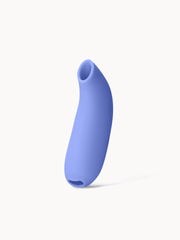
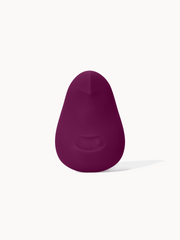
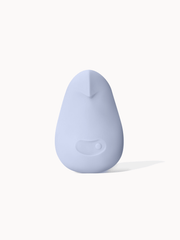
- External vibrators are a great adjunct to solo or partnered play
- If you suspect you have a mood disorder or have concerns about your mental health, seek professional help
- If you have concerns that pelvic floor dysfunction might be involved, find a pelvic floor PT near you
- Communicate when and how you’d like to be touched, if you’re partnered
The length of time someone breast/chestfeeds varies widely between individuals and geographic regions, but once a child is weaned, estrogen levels return to normal after a few weeks. Remember that these hormones fluctuate with menstrual cycles as well! Regardless of how you choose to feed your infant, with a little conscious effort and modifications, you can create new sexual practices that feel right for you, when it feels right for you.
-
 Health
Understanding the Female Reproductive System: A Primer
Due to the unfortunate lacking in the sex education system, especially when it comes to the female body, not everybody understands just how the female reproductive system works – even...
-
 Health
Sexual Wellness and Chronic Pain: Coping Strategies
With a variety of coping strategies, it is possible to have a satisfying sex life with chronic pain.
-
 Health
The Connection Between Gut Health and Sexual Health
From desire to dysfunction, it’s no surprise that gut health can play big a part in sexual health.
-

The Role of Nutrition in Sexual Wellness
Let’s explore the intricate relationship between nutrition and sexual wellness, shedding light on how a balanced diet can enhance intimacy and overall well-being.
- Alle anzeigen


