Let’s talk about queefs—because honestly, they deserve way more clarity and way less embarrassment. If you’ve ever been in the middle of a workout, yoga pose, or an intimate moment and heard an unexpected pfft, you might have found yourself wondering: What just happened? Well, let’s break it down.
The Science of a Queef
According to WebMD, a queef, or vaginal flatulence, is the release of trapped air from the vagina. Unlike a fart, which is the result of gas produced in the digestive system, a queef is simply air escaping from the vaginal canal. The sound it makes? That’s just physics—air being forced through a small space. Totally normal, totally natural, and not a sign of anything wrong with your body.
Why Do Queefs Happen?
Queefs can happen for a variety of reasons, but the most common causes include:
Sexual Activity – During penetration, fingers, toys, or a partner’s body can push air into the vaginal canal. When that air has to come out, a queef happens.
Exercise & Movement – Certain physical activities, like yoga, pilates, or even stretching, can shift the pelvic floor muscles in a way that traps and then releases air.
Postpartum Changes – If you’ve given birth, your pelvic floor muscles may be looser or stretched, making it easier for air to enter and exit.
Pelvic Floor Strength – A weaker or more relaxed pelvic floor may allow air to move more freely in and out of the vagina, increasing the likelihood of queefs.
Switching Between Toy Sizes – Anything that displaces air inside the vagina can lead to a queef when removed.
Vaginal Dryness or Low Lubrication – Less lubrication can allow more friction, which can create space for air pockets to form.
Is Queefing Common?
Yes, Cleveland Clinic indicates that queefing is absolutely common. Most people with vulvas will experience one at some point, and many actually experience it regularly, depending on their activity levels, pelvic floor tone, and how often they engage in penetrative sex.
Think of it like a burp or a squeaky joint: a small, harmless release of air. In fact, queefing is so common during sex and exercise that many pelvic floor therapists consider it a routine bodily response, not something to “fix” or worry about.
If anything, queefing is a sign that your pelvic floor is dynamic: it moves, shifts, contracts, relaxes, and responds to pressure and activity.
Nothing about that is embarrassing. It’s just anatomy doing its thing.
Symptoms of Vaginal Gas
Vaginal gas doesn’t usually come with “symptoms” in the medical sense, because it’s not an illness. But you might notice:
-
A sudden release of air
-
A fluttering or bubbling sensation in the vaginal canal
-
A noise that resembles a fart
-
Increased air movement after stretching, penetration, or certain yoga poses
-
A sense of fullness or air pressure in the vagina
Importantly, vaginal gas is odorless unless mixed with external fluids (lube, sweat, etc.). If you ever notice a strong or unpleasant smell, that’s not a queef—that’s something else entirely, like vaginal odor changes or infection-related discharge.
What Does Queefing Sound, Smell, and Feel Like?
Sound:
A queef can sound like a soft puff, a squish, a sharp little pfft, or a surprisingly loud “air release” moment. The sound depends on:
-
How much air is trapped
-
The tightness of the vaginal opening
-
How quickly the air escapes
Just like farts vary, queefs vary too. However, remember, they’re not digestive gas.
Smell:
Queefs typically do not smell at all. Because the air comes from outside the body, not from the intestines, there’s no bacteria or fermentation behind it.
If anything smells off, it’s unrelated to queefing and may be worth monitoring separately.
Feel:
Most people describe queefing as:
-
A light bubbling feeling
-
A small internal shift
-
A gentle pressure release
-
Sometimes, absolutely nothing at all
Queefing should never feel painful. If you feel pain with vaginal air or penetration, that’s something to bring up with your healthcare provider.
How to Make Yourself Queef
If you’ve got a sexual curiosity or personal kink and want to learn how to queef, yes, it’s possible.
People might intentionally queef during:
-
Sex
-
Solo play
-
Yoga
-
Bath time
Here’s how you can make yourself queef, if you’re into it:
1. Deep squats
Lowering into a squat opens the pelvic floor and can pull air upward.
2. “Happy baby” pose
Lifting your legs and opening the hips can widen the vaginal opening and allow air in.
3. Penetration + air displacement
Moving a toy or fingers in and out quickly can push air into the vaginal canal.
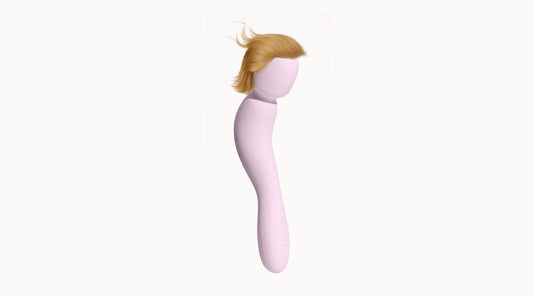
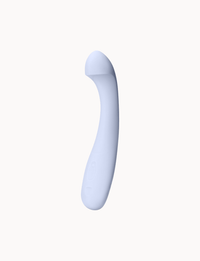
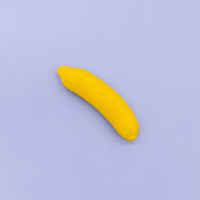
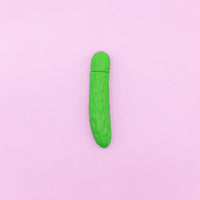
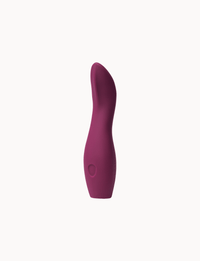
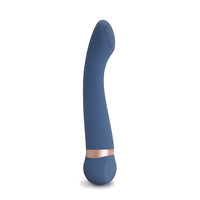
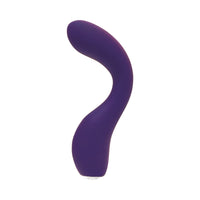
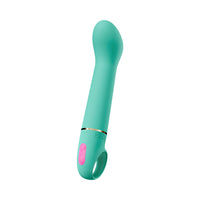
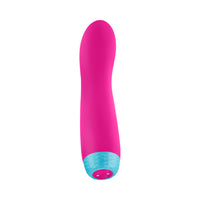
Dame’s Dip Basic Vibrator is the perfect kind of tool to play with penetrively if you want to explore this kind of air displacement.
4. Creating suction
Some people can create a small, temporary seal with the vaginal opening and then relax to release the air.
If you try this, it shouldn’t hurt. If it does, stop, as pain isn’t part of the queef equation.
How to Not Queef (or Reduce Queefing)
You can’t stop queefing entirely—and there’s no reason you should—but you can minimize how often it happens.
1. Strengthen your pelvic floor
Pelvic floor exercises (like Kegels) make the muscles more responsive, reducing air entry.
2. Add lubrication
More lubrication during sex or toy use helps the vaginal walls stay comfortably positioned, lowering the amount of air that sneaks in.
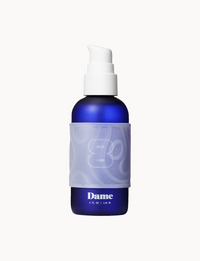
Dame’s Aloe Lube is perfect for ensuring a silky, long-lasting glide, if avoiding queefs is something you’re concerned about.
3. Switch angles or positions during sex
According to Health.com, certain positions “may minimize the amount of air getting into the vagina to decrease queefs.” Think of positions that reduce pelvic tilt, like missionary or spooning, which can lower the likelihood of queefing.
4. Move slowly when withdrawing toys or fingers
Rapid changes in space can suck air inward.
5. Exhale and relax as you transition positions
Breathing helps the pelvic floor stay adaptable rather than “popping” open.
6. Acknowledge the moment if it happens
Laugh. Smile. Let it go. Queefing isn’t something to hide: it’s simply proof your body is full of life, motion, and air.
When You Should See a Doctor
Queefing itself is not a medical issue. But you should check in with a healthcare provider if you experience:
-
Vaginal gas accompanied by an unusual odor
-
Persistent pelvic pain
-
Leakage of mucus from the vagina
-
A sudden increase in vaginal air + bowel symptoms
-
Air escaping the vagina without movement, especially after pelvic surgery
-
Painful sex paired with increased vaginal air
These could indicate rare conditions such as vaginal fistulas, pelvic floor dysfunction, infection-related inflammation, and/or surgical complications
Again, these situations are uncommon. If your only “symptom” is the occasional “pfft” during sex or yoga, there’s nothing to worry about.
The Bottom Line
Queefs are a completely normal bodily function that happens to people with vaginas. They’re not a sign of bad health, bad hygiene, or anything to be embarrassed about. Our bodies make noises—it’s just part of being human. So the next time a queef happens, embrace it for what it is: a funny, harmless, and totally natural occurrence.