








How to Heal From Past Relationships
6 min read
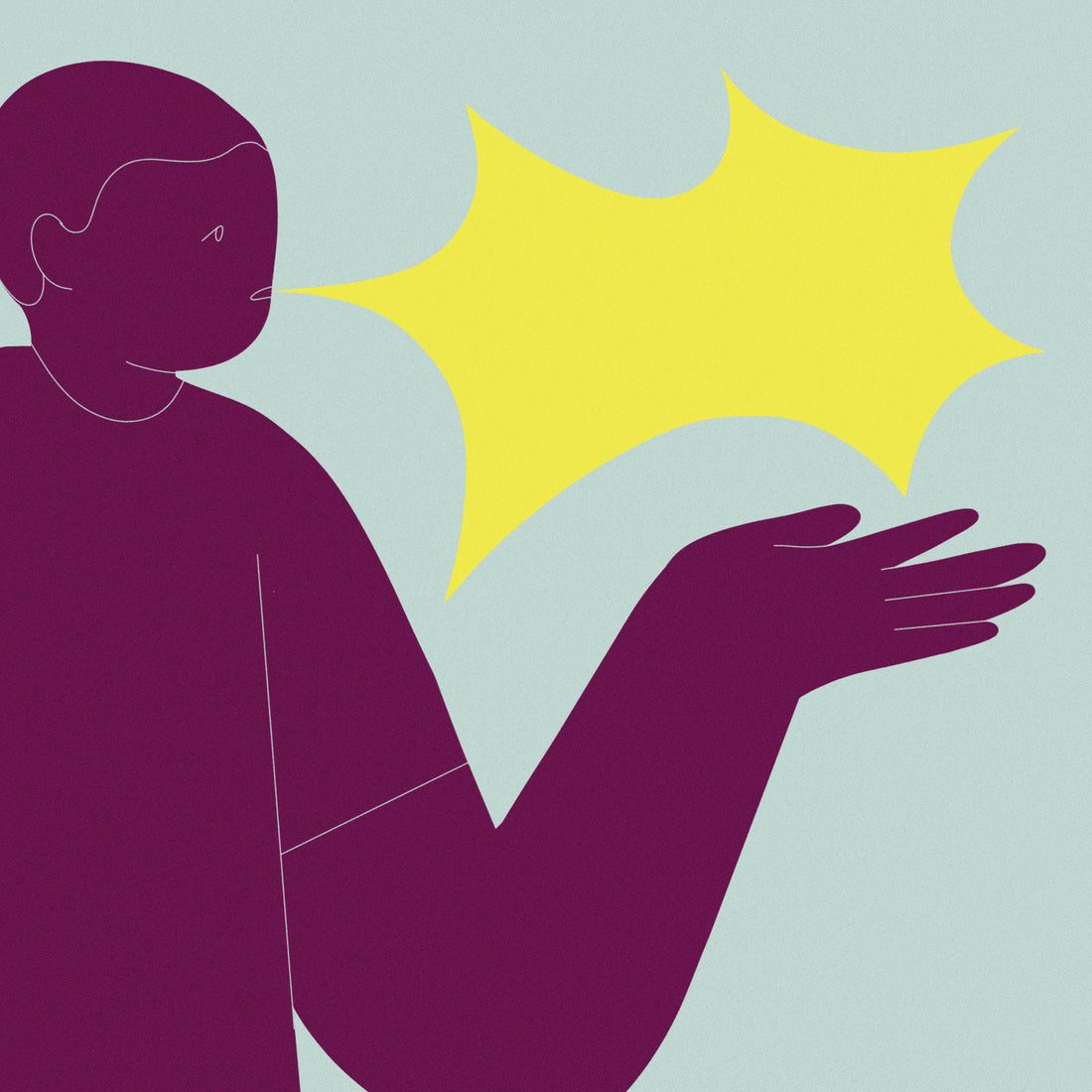


How do you heal from past relationships? This is such a common question and concern for people I see in my practice. People who are single and are wanting to heal from past relationships should be reflecting on this so that they can learn and grow and look at their patterns as well as the patterns of past partners. This is just a starter kit to embark on the journey, knowing there are perhaps many more things to consider on your path to healing.
The Four Horsemen
"The Four Horsemen" is a concept developed over decades of research by Seattle couples' therapy experts John and Julie Gottman. They are: criticism, defensiveness, stonewalling and contempt. (For more about the concept of the horsemen, please read more here.) During this time, you might want to ask yourself, "what role did the Four Horseman play in your past relationship?" It will be crucial to think about which of the four behaviors led to the demise of your partnership. For me, in my most significant past relationship, I was overly defensive. I felt like I always needed to be right and perfect, so if my partner asked me to do something differently I would come up with a reason to defend myself rather than just saying, “Ok, that makes sense” or “Yeah, I could work on that for sure.” I know that being more able to accept responsibility would have gone a long way in making that relationship better. Of course, if you are healing from a past abusive relationship then I would not ask you to consider your role in the abuse, but rather be able to see how the other person’s contempt was degrading and harmful. Then you may be able to see how the antidote to contempt (having a culture of appreciation) is what you deserve in a healthy future relationship.
Phases of Relationships
There are three distinct and natural phases that occur in a lifetime of love. Dr. John Gottman explains that there are choice points in the course of a relationship when love will either progress to a deeper place or deteriorate.
Limerence
Also called the honeymoon stage, limerence is that feeling of overwhelming infatuation that occurs when you first start dating someone that you feel a spark with. We often call this feeling “having chemistry” with someone, which makes literal sense: at this phase of love, there are tons of love chemicals coursing through your body. This is a beautiful phase. This phase is also when you can miss red flags because you are more trusting and more likely to focus on their positive traits while avoiding the awareness of negative traits or red flags.
Trust
After limerence comes the trust phase. This is the state that occurs when you know that your partner is acting and thinking of ways to maximize your interests instead of only their own interests. In other words, trust means knowing that “my partner has my back and is there for me.” We build trust by being there for one another and repairing poor communication. In this phase, couples are trying to figure out, “Does this person have my back? Am I important to them?” This phase is where the most fighting occurs since people are trying to decipher if they can count on their partner to have their back.
Commitment
Commitment means believing (and acting on the belief) that this relationship with this person is one’s lifelong journey, for better or for worse. This means that if things get difficult, both partners will work to improve it. In this phase, you should avoid comparing your partner unfavorably to others. It involves cherishing your partner’s positive qualities and nurturing your gratitude for them. When thinking about these phases, please reflect on the following questions: At which stage did your most recent or most significant relationship conclude? What contributed to why it ended at that stage? What red flags might have been missed in the limerence phase of that relationship?
Flooding
One other thing that is crucial is to see if there were any issues with what we call "flooding" in any past romantic partnerships. Flooding is a sensation of feeling psychologically and physically overwhelmed. When your partner’s words or actions seem so intense that you feel completely defenseless against further attack. Our bodies are finely tuned to be ready to ward off an attack, and they are not very good at distinguishing subtleties. We know that if your heart rate goes above 100 BPM, and you’re not exercising, that your body is releasing the stress hormones. When this is occurring, it’s nearly impossible to think creatively or access your sense of humor. At this point, you are in fight, flight, or freeze mode and you are physiologically overwhelmed. Flooding leads people to become so overwhelmed that they reject incoming information. The first step in dealing with flooding is to take a break and temporarily end the discussion. The break should last at least 20 minutes to calm down. Many people find that the best approach to self-soothing is to focus on calming the body through deep breathing or meditative techniques. Please consider the following questions to reflect on this issue: What makes you feel flooded? What are your body signs when you feel flooded? (Example: vision narrowing, chest tightening, fists clenching.) What role has flooding played in your past intimate relationships? How might you manage this issue in the future?
Perpetual Problems
One last thing to think about here. All couples have ongoing issues that they tend to fight about. Even the Masters of Relationships have ongoing, perpetual problems, but what separates them from the Disasters of Relationships is that they manage to find ways to dialogue about their problems instead of letting them become entrenched and painful. Perpetual problems center on either fundamental differences in your personalities or your lifestyle needs, whereas perpetual gridlocked issues have been left unhandled and have calcified, leading to tension and quarrels. The issues are based on differences in how you view handling money, disciplining children, cleanliness, etc. These are the problems that a couple will return to over and over. Within each person’s position is a core need or a dream. The Masters of Relationships can talk about these and honor each other’s dreams. Read more about these issues here. Be willing to consider: What were your perpetual problems? Were any of them gridlocked? Think about your need within that issue, and what might you need on that issue in future relationships. There are more things that you can reflect on in order to heal from a past relationship, but I do hope you have found a starting point and gained some insight from this. “What Makes Love Last” by Dr. John Gottman is another very helpful resource if you are in a place of healing, and wanting something more in a future relationship. Happy healing to you all. A version of this article originally appeared on the Gottman Institute’s blog and was reposted with permission.
-
 Relationships
How to Apologize (And Mean It)
A heartfelt apology can be a powerful tool for healing wounds and rebuilding trust.
-
 Relationships
Rediscovering Intimacy After a Long-Term Relationship Ends
In this journey, one not only rediscovers intimacy but also emerges stronger, more self-aware, and ready to embrace a newfound perspective.
-
 Relationships
Novelty and Relationships: How To Stay Passionate in a Long-Term Relationship
The solution to bringing back the passion in your relationship can be as simple as doing something new with your partner.
-
 Relationships
A Couples' Guide to Establishing Healthy Boundaries in the Bedroom
Respecting boundaries is not only a sign of love and consideration but also a way to build trust within the relationship.
- View all


