
If you’re frequently tensing up at the thought of penetrative sex, you may have vaginismus. Sex is and should be something that’s always pleasurable, whether you’re with a partner or going solo. However, there are times when even though your mind wants sex, your body isn’t willing to play ball.
Never heard of vaginismus? It’s not often talked about as many people feel it’s shameful. However, vaginismus can be experienced by anyone with a vagina, and it’s nothing to be embarrassed about.
It’s estimated that vaginismus affects up to 6% of people over the course of their lifetime, but it could be more, as many people are ashamed to talk about it.
What Is Vaginismus?
According to WebMD, vaginismus occurs when your vaginal muscles involuntary contract or spasm when something is entering it. While the level of pain can vary, some have likened the feeling to being scraped with razors or stabbed with a needle.
Many people find they have vaginismus when they try to use a tampon, have a Pap smear, or enjoy penetrative sex for the first time. The jury’s out on definitive causes for vaginismus and symptoms can vary from person to person. However, vaginismus has been linked to past experiences of painful intercourse as well as abuse and trauma. Anything from growing up in a religious household to worrying about getting pregnant can potentially play a role.
However, previous surgeries, infections, radiotherapy, and childbirth can all contribute to occurrences of vaginismus too. Sometimes it just happens for no reason at all. Some people have an active and healthy sex life only to find one day; they start to tense up.
Types of Vaginismus
Vaginismus isn’t one-size-fits-all. Clinicians typically distinguish between two forms:
-
Primary vaginismus. This is when penetration has never been comfortable or possible. Many people discover it early, during tampon use or a first pelvic exam. Primary vaginismus often has deep emotional roots, including fear, anxiety, or long-standing tension patterns in the pelvic floor.
-
Secondary vaginismus. This develops after a period of pain-free penetration. It can arise in response to childbirth, menopause, infections, trauma, relationship stress, or sudden pelvic floor dysfunction. For many, it feels confusing—your body that once said yes suddenly whispers a shaky maybe.
There’s no hierarchy here; both forms are equally valid and equally treatable. The important part is understanding which experience feels closest to yours so you can get the support you deserve.
Symptoms of Vaginismus
Some symptoms are obvious; others are subtle. Beyond pain, people may experience:
-
A burning, stinging, or “hitting a wall” sensation when vaginal penetration is attempted.
-
Tightening of the pelvic floor muscles that feels involuntary or automatic.
-
Difficulty inserting tampons, menstrual cups, or dilators.
-
Pain during or after attempted intercourse.
-
Anticipatory anxiety, even when you want intimacy.
Some describe the sensation as “my body just shuts the door” or “everything clenches before I even realize it’s happening.” These experiences are incredibly common among people with vaginismus.
The Cleveland Clinic also notes that some women develop the condition later in life after doing these things for years without problem.
Vaginismus Causes
Healthcare research shows vaginismus can have a blend of emotional, physical, and situational causes:
-
Emotional or psychological factors such as fear of pain, anxiety, past trauma, negative messages about sex, or pressure to “perform” can all contribute. Anxiety alone can create a muscle-guarding response that makes penetration painful or impossible.
-
Physical triggers may include hormonal changes (such as postpartum or menopause), recurrent infections like UTIs or yeast infections, pelvic floor dysfunction, inflammatory conditions, or pain after medical procedures.
-
Relationship or situational triggers like communication challenges, stressful life periods, or feeling rushed during intimacy can all intensify muscle tightening.
Most importantly: none of these causes imply something is wrong with you. They’re simply clues that help you and your providers understand where to begin healing.
Vaginismus and Anxiety: Partners in Crime
Vaginismus and anxiety can come together in a catch-22 situation. You’re anxious about tensing up, which makes you even more nervous! People with vaginismus view themselves in a more negative light than people that don’t have it. This can lead to a lack of confidence that not only affects your sex life, but life in general too.
What Can I Do If I Have Vaginismus?
If you think you have vaginismus, the first thing to do is to see your doctor – don’t be afraid to ask for a female doctor if it makes you feel more comfortable. They’ll ask you a few questions about when you experience pain. They’ll then examine you to check if your symptoms don’t correspond to any other conditions. If you do have vaginismus, there are a range of treatments available, and it may take a little time to find the one (or the combination) that’s right for you.
Vaginismus Diagnosis and Tests
If you’re wondering whether what you’re feeling “counts,” here’s what diagnosis usually looks like:
-
A conversation with your doctor. They’ll ask about your symptoms, pain patterns, and overall health. You can absolutely request a female provider if that helps you feel more comfortable.
-
A gentle pelvic exam. This helps rule out other causes like UTIs, hormonal atrophy, or infections. Providers familiar with vaginismus will move slowly and check in with you throughout.
-
Assessment of pelvic floor tension. Some clinicians will evaluate how the pelvic muscles respond to touch or relaxation cues.
There’s no test you can “fail,” and nothing about this evaluation should feel rushed or shaming. The goal is understanding your body—not judging it.
How Is Vaginismus Treated?
Here’s how treatment generally unfolds, in both the original content and expanded medical guidance:
Vaginal Dilators
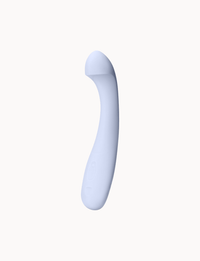
A vaginal dilator is a plastic or silicone rod used to relax your pelvic floor muscles and reduce pain. Think of it as a medical dildo! You gently insert the dilator (using lube) for a few minutes each week. You can go at your own pace and move on to a larger dilator when you’re ready to do so. Involving a partner can be a great way to build intimacy but remember – you need to call the shots.
Exercises
As vaginismus means you lose control over your muscles, exercise can help you take the power back. Pelvic floor stretches are very similar to yoga and can help you strengthen the muscles around your vagina.
Mindfulness exercises can help too. By focusing on your breathing and blocking out unwanted thoughts, you can lower your anxiety levels and take control of your vaginismus. Meditation, journaling and adult colouring books can be great ways to do this – whatever works best for you.
Pelvic Floor Physical Therapy
Your doctor may recommend pelvic floor physical therapy to you. This is a therapy designed to help people with a range of pelvic floor issues, including vaginismus. A physical therapist will see how strong your pelvic floor muscles are and put together a plan to help strengthen your muscles, including exercise, the use of dilators and even electrical stimulation.
The advantage of physical therapy is because treatment is bespoke to your needs, it’s more likely to be successful. Studies have shown patients rate it as highly successful.
Therapy and Counseling
If you believe your vaginismus is related to a psychological issue, counseling can help you talk through your problems and work to relieve any anxiety you may have. As we mentioned earlier, vaginismus can be linked to both physical and psychological trigger points. Many who have experienced trauma or abuse in the past, especially surrounding sex, are likely to have the condition.
A 2011 study has shown people with vaginismus are twice as likely to have experienced sexual abuse in childhood. With others, a traumatic sexual experience or anxiety around intercourse can play a part. The therapy and counseling used will differ from person to person.
Cognitive behavioral therapy looks at how your thoughts and actions affect your vaginismus and teaches you coping skills. Sex therapy looks at approaches you can take to improve communication and intimacy with your partner. By talking through your worries and concerns, you can both build up your confidence in the bedroom.
Surgery and Botox
Many people ask if surgery is an option for vaginismus, but we wouldn’t recommend it. Surgery can make vaginismus worse as it can reduce sensation and make intercourse even more painful. Some clinics offer Botox to cure vaginismus as it relaxes the vagina muscles.
While studies have shown it may improve symptoms, it’s worth bearing in mind that while Botox may relieve the physical issues vaginismus causes, it doesn’t help if there are any underlying psychological problems.
Will Vaginismus Go Away? Is It Permanent?
The short answer? Vaginismus is highly treatable, and for most people, it improves dramatically with the right support. According to GoodRX, 79% of people were able to have sex successfully after treatment, which can consist of dilator training, pelvic floor PT, and/or therapy.
Vaginismus isn’t a life sentence. Muscles can relearn. Nerves can settle. Confidence can rebuild. Many people go on to have comfortable, pleasurable sex, use internal products, or enjoy new forms of intimacy.
Healing takes time, but it does happen.
Remember, You’re Not Alone
Vaginismus can be frustrating, especially if you want sex but know you are having a difficult time with it. The important thing to remember is that your condition doesn’t define you. Many people with vaginismus think they’re ‘broken’, but this just isn’t the case. Most people who experience vaginismus can still get aroused, meaning you can enjoy oral sex, foreplay, and gentle masturbation. Take your time, and if you’re with a partner, don’t be afraid to tell them to stop or slow down.