





How Breastfeeding Affects Your Sex Life
7 min read


When it comes to sex and breastfeeding, sometimes the two can seem mutually exclusive. After all, aren’t breasts biologically designed for the sole purpose of producing milk and nourishing offspring? Happily, the answer is no. To treat the breasts like they’re just milk-making machines would be to sell them way, way short. They can also be an incredible source of sexual pleasure, both physically and visually—even when they’re lactating. We are, however, stuck in a culture that glorifies breasts for sexual purposes while finding the act of nursing a small child oddly perverse. So, what’s a parent to do?
How Breastfeeding Affects Your Libido
Parents of babies and small children have varying levels of sexual desire. No matter if you have a high libido, have no desire for sexual activity at all, or find yourself somewhere in-between, it’s perfectly normal. There can be, however, a relationship between libido and the hormones responsible for lactation. According to Dr. Susan Kellogg-Spadt, “it is fairly common for breastfeeding women to experience a waning of desire, even months after delivery.” She says that this is likely due to the effect breastfeeding has on the hormones estrogen, prolactin, and testosterone. Estrogen levels are often lower during breastfeeding, so the vagina may not be as moist or flexible, which can lead to pain or discomfort during intercourse. Prolactin levels are higher and serve to reduce sexual desire. Testosterone, often mistaken as a “male” hormone, is actually lower than normal in folks who are breastfeeding, which plays a role in sexual desire. Add this to all of the work that goes into caring for and nursing a small human, and you might find that sex is (understandably!) on the bottom of your to-do list.
Breastfeeding Still Has a Stigma
Western cultures treat breastfeeding as something inherently desexualized—as if the moment a newborn achieves their first latch, the nipples stop being a source of pleasure. This is a harmful myth that teaches breast/chestfeeding parents that their sexuality is on hold for the duration of the nursing relationship. Many well-meaning parents assuage social anxiety about lactating breasts by explaining to people that breastfeeding isn’t sexual at all. But what if this isn’t entirely true for everyone? What if we discussed the satisfying physical pleasure that a nursing parent experiences with milk let down? Or the fact that the same “love hormones” released during orgasm are also released during nursing?
There can be a relationship between libido and the hormones responsible for lactation.
In her book Breastwork: Rethinking Breastfeeding, Alison Bartlett, an Australian maternal sexuality researcher, argues for “breastfeeding being accepted as a potentially erotic or sexual experience, rather than being quarantined into the realms of nutritional value and medical benefits.” Breastfeeding, erotic? If that seems like an uncomfortable concept for you, you’re certainly not alone. We are forced to navigate this strange paradox of hypersexualizing women while desexualizing mothers, so a breastfeeding parent, especially a new one, can find it shocking to experience such an identity shift so abruptly. Our view of motherhood is one of all-consuming self sacrifice, so unlearning this and finding pleasure (both physical and emotional) in this new intimacy and body can be very powerful.
Tips For Navigating Sex and Breastfeeding
Plan A, B, and maybe C:
Whether you’re exclusively breastfeeding, supplementing with formula, or extended breastfeeding a toddler or child, you’re likely all too familiar with the fact that your child cannot go for long without wanting to nurse again. This is why planning (and back-up planning) sexual activity with your partner or yourself is so important. It may seem unsexy, but with the amount of work you’re doing to keep your little one happy and fed, it’s very likely that sex may not happen so spontaneously. So, if your kiddo has settled into a somewhat predictable sleep routine, try and map out how you can fit some time with yourself and/or your partner. You may not feel like “going all the way,” which is totally normal and understandable, but a nice cuddle and makeout session may be just the key to help you reconnect with them and with yourself. If you are aiming to be more sexually intimate, then it might be useful to have backup plans for if (let’s be real, when) your little one interrupts. A lot of breastfeeding parents use nursing as an effective parenting tool to provide comfort as well as nutrition, so you may find that when you hear your child upset in the next room, you want to run and nurse them right away, and that’s okay. Here’s where grappling with that tricky taboo comes in: breastfeeding and sex are not mutually exclusive. While you may want to do a quick wipe down of key body parts before heading to the baby, it’s totally fine to pause to tend to them and then reconvene with one of your backup plans if you’re still interested.
It is perfectly understandable to feel like you’re “touched out,” or overstimulated, in regards to physical touch.
Plan to have nursed prior to sex.
For experienced breast/chestfeeders, this may be a no-brainer, but it may not be something that you think of in terms of sex. The last thing you want while trying to enjoy yourself is to begin to feel engorged and uncomfortable. Not to mention that disrupting your milk flow routine may actually lead to blocked ducts or mastitis, both of which are painful and can be tricky to treat. So, it’s helpful to drain the breasts either by expressing some milk or nursing prior to any lengthy sexual activity to make sure you’re comfortable. It may also be helpful to talk with your partner about how they feel about possible leakage. Hey, you may even find that they enjoy being squirted.
Be unapologetic about being “touched out.”
At the end of the day, your body may feel like it’s no longer your own. It is perfectly understandable and incredibly common to feel like you’re “touched out,” or overstimulated, in regards to physical touch. On top of breastfeeding, you’ve probably been puked on, tugged, maybe even smacked around a few times by your overzealous tot. The mere thought of sharing your body with someone else after you’ve cared for your kids all day may be really unappealing. If this is the case, and you’re still missing a sexual connection with yourself, try not to feel guilty for wanting to masturbate even though you know your partner is desiring intimacy with you. Certainly have a compassionate conversation with them about their needs, but also assert your own need for some solitude. And be proactive about this—it’s very helpful, albeit challenging, to anticipate this need and plan for some “me time” before it becomes a source of tension.
Use toys!
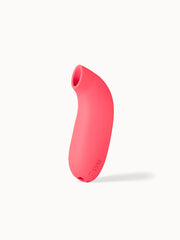
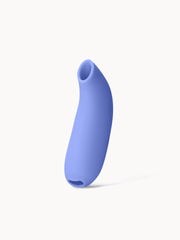
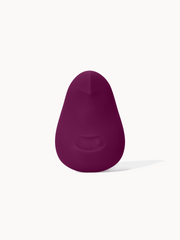
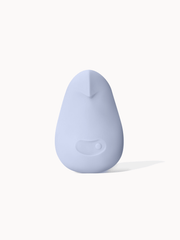
The postpartum period lasts for much, much longer than a few weeks. While your doctor may clear you for sexual activity at the six week mark, you may find that you’re still a bit sore from birth and beginning to breastfeed. Birthing and breastfeeding is a whole body and mind experience, so you may find yourself nervous about sex. This is where toys might be helpful. If you’ve got a lot of anxiety and are comfortable with masturbation, you may try some solo play with your favorite external vibe at first and then work towards penetration (if that’s your thing). Toys can also help achieve pleasure and orgasm a bit quicker, which can also help mitigate the challenge of finding enough time away from your kid. Ultimately, whether or not you feel like having sex while you’re breastfeeding, you’re perfectly normal. We’ve got a long way to go in our culture’s understanding of maternal pleasure, but hopefully you will find some for yourself soon, be it sex with your partner, masturbation, or just finding ten minutes of calm to clear your mind. Remember, you’re a superhero and your body is doing such important work.
-
 Sexual Wellness
What Is The Difference Between Vaginal Moisturizer and Lubricant?
-
 Sexual Wellness
How Air-Pulse and Clitoral Suction Vibrators Actually Work (And Why They’re So Popular)
-
 Sexual Wellness
The Bullet Vibrator Guide: Why Small Toys Win at Precise, Pinpoint Stimulation
-
 Sexual Wellness
How to Introduce a Vibrator Into Partnered Sex Without the Awkwardness
- View all


