
What Is The Difference Between Vaginal Moisturizer and Lubricant?
September 30, 2026
We’ll make this easy: lubricant handles friction in the moment, during sex or toy use, and will wear off not long after. Vaginal moisturizer is for...
 Free Shipping
 Free Gift
 60-Day Returns
 3-Year Warranty

6 min read
Created on 12/03/2025
Updated on 10/12/2025

Let’s talk about queefs—because honestly, they deserve way more clarity and way less embarrassment. If you’ve ever been in the middle of a workout, yoga pose, or an intimate moment and heard an unexpected pfft, you might have found yourself wondering: What just happened? Well, let’s break it down.
According to WebMD, a queef, or vaginal flatulence, is the release of trapped air from the vagina. Unlike a fart, which is the result of gas produced in the digestive system, a queef is simply air escaping from the vaginal canal. The sound it makes? That’s just physics—air being forced through a small space. Totally normal, totally natural, and not a sign of anything wrong with your body.
Queefs can happen for a variety of reasons, but the most common causes include:
Sexual Activity – During penetration, fingers, toys, or a partner’s body can push air into the vaginal canal. When that air has to come out, a queef happens.
Exercise & Movement – Certain physical activities, like yoga, pilates, or even stretching, can shift the pelvic floor muscles in a way that traps and then releases air.
Postpartum Changes – If you’ve given birth, your pelvic floor muscles may be looser or stretched, making it easier for air to enter and exit.
Pelvic Floor Strength – A weaker or more relaxed pelvic floor may allow air to move more freely in and out of the vagina, increasing the likelihood of queefs.
Switching Between Toy Sizes – Anything that displaces air inside the vagina can lead to a queef when removed.
Vaginal Dryness or Low Lubrication – Less lubrication can allow more friction, which can create space for air pockets to form.
Yes, Cleveland Clinic indicates that queefing is absolutely common. Most people with vulvas will experience one at some point, and many actually experience it regularly, depending on their activity levels, pelvic floor tone, and how often they engage in penetrative sex.
Think of it like a burp or a squeaky joint: a small, harmless release of air. In fact, queefing is so common during sex and exercise that many pelvic floor therapists consider it a routine bodily response, not something to “fix” or worry about.
If anything, queefing is a sign that your pelvic floor is dynamic: it moves, shifts, contracts, relaxes, and responds to pressure and activity.
Nothing about that is embarrassing. It’s just anatomy doing its thing.

Vaginal gas doesn’t usually come with “symptoms” in the medical sense, because it’s not an illness. But you might notice:
Importantly, vaginal gas is odorless unless mixed with external fluids (lube, sweat, etc.). If you ever notice a strong or unpleasant smell, that’s not a queef—that’s something else entirely, like vaginal odor changes or infection-related discharge.
A queef can sound like a soft puff, a squish, a sharp little pfft, or a surprisingly loud “air release” moment. The sound depends on:
Just like farts vary, queefs vary too. However, remember, they’re not digestive gas.
Queefs typically do not smell at all. Because the air comes from outside the body, not from the intestines, there’s no bacteria or fermentation behind it.
If anything smells off, it’s unrelated to queefing and may be worth monitoring separately.
Most people describe queefing as:
Queefing should never feel painful. If you feel pain with vaginal air or penetration, that’s something to bring up with your healthcare provider.
If you’ve got a sexual curiosity or personal kink and want to learn how to queef, yes, it’s possible.
People might intentionally queef during:
Here’s how you can make yourself queef, if you’re into it:
Lowering into a squat opens the pelvic floor and can pull air upward.
Lifting your legs and opening the hips can widen the vaginal opening and allow air in.
Moving a toy or fingers in and out quickly can push air into the vaginal canal.
Dame’s Dip Basic Vibrator is the perfect kind of tool to play with penetrively if you want to explore this kind of air displacement.
Some people can create a small, temporary seal with the vaginal opening and then relax to release the air.
If you try this, it shouldn’t hurt. If it does, stop, as pain isn’t part of the queef equation.
You can’t stop queefing entirely—and there’s no reason you should—but you can minimize how often it happens.
Pelvic floor exercises (like Kegels) make the muscles more responsive, reducing air entry.
More lubrication during sex or toy use helps the vaginal walls stay comfortably positioned, lowering the amount of air that sneaks in.
Dame’s Aloe Lube is perfect for ensuring a silky, long-lasting glide, if avoiding queefs is something you’re concerned about.
According to Health.com, certain positions “may minimize the amount of air getting into the vagina to decrease queefs.” Think of positions that reduce pelvic tilt, like missionary or spooning, which can lower the likelihood of queefing.
Rapid changes in space can suck air inward.
Breathing helps the pelvic floor stay adaptable rather than “popping” open.
Laugh. Smile. Let it go. Queefing isn’t something to hide: it’s simply proof your body is full of life, motion, and air.
Queefing itself is not a medical issue. But you should check in with a healthcare provider if you experience:
These could indicate rare conditions such as vaginal fistulas, pelvic floor dysfunction, infection-related inflammation, and/or surgical complications
Again, these situations are uncommon. If your only “symptom” is the occasional “pfft” during sex or yoga, there’s nothing to worry about.
Queefs are a completely normal bodily function that happens to people with vaginas. They’re not a sign of bad health, bad hygiene, or anything to be embarrassed about. Our bodies make noises—it’s just part of being human. So the next time a queef happens, embrace it for what it is: a funny, harmless, and totally natural occurrence.


What Is The Difference Between Vaginal Moisturizer and Lubricant?

How Air-Pulse and Clitoral Suction Vibrators Actually Work (And Why They’re So Popular)

The Bullet Vibrator Guide: Why Small Toys Win at Precise, Pinpoint Stimulation

How to Introduce a Vibrator Into Partnered Sex Without the Awkwardness
September 30, 2026
We’ll make this easy: lubricant handles friction in the moment, during sex or toy use, and will wear off not long after. Vaginal moisturizer is for...

September 30, 2026
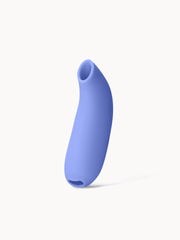
The ultimate if you know, you know toy Clitoral suction vibrators, or air-pulse toys, won’t buzz against you the way a classic vibrator does. Instead, a...

September 30, 2026
Bullet vibrators are small, straight, single-motor toys built for precise, pinpoint stimulation. Their narrow tip is designed to concentrate vibration on a small area, usually the...

September 30, 2026
The easiest way to bring a vibrator into sex with a partner: communication. Are you surprised? Talk about it before you're in bed, frame it as...

September 30, 2026
We’ll be the first to say it: a couples vibrator can absolutely be a great first toy, a hands-free one often being the easiest place to...

September 30, 2026
In the last decade, we’ve been spoiled with an influx of women-owned-and-operated sexual wellness brands. Just a few of the best-known women-owned and women-founded sexual wellness...
A: A vibrator is a powerful and versatile personal pleasure device that creates vibrations to stimulate various sensitive areas of your body, like the clitoris and G-spot. They come in a wide range of shapes, sizes, and features, so there's something for everyone.
Vibrators can be used on almost any erogenous zone, offering unique sensations that can boost your pleasure and help you discover what feels amazing. Some are designed to mimic penetration, while others focus on external stimulation to give you an unforgettable experience.
Did you know that fewer than 20% of vulva-owner can climax solely with vaginal stimulation or intercourse? This is why vibrators have been growing in popularity, and why companies like Dame are dedicated to amplifying the conversation of closing the pleasure gap.
Learn more on the blog.
A: Using a vibrator can enhance your pleasure significantly, but where you use them differs based on preference and if you are a vulva or penis owner. Begin by selecting a comfortable and private space where you feel at ease. If desired, use sex toy-safe lubrication, as this will enhance sensations and reduce friction. Turn on your vibrator (usually a button on the opposite end of the "head"), and explore different settings or intensities using the buttons provided on the device and gradually finding what feels best for you.
For an additional step-by-step guide, check out detailed instructions here, which talk about insights on techniques, positioning, and tips for maximum pleasure.
A: There are numerous types of vibrators, each designed for various forms of stimulation:
Clit Vibrator: These are specifically shaped to target the clitoris, often with a compact and discreet design for ease of use.
G-spot Vibrator: Typically curved, these vibrators are designed to reach and stimulate the G-spot, providing deeper sensations during penetration.
Finger Vibrator: Small and often worn on the fingertip, these offer precise control and are perfect for targeted stimulation.
Couples Vibrator: Designed to be worn during intercourse, they provide simultaneous pleasure by stimulating both partners.
Vibrating Cock Ring: Worn around the base of the penis, these enhance sensations for both partners during sex and can help with stamina.
Suction Vibrator: These use suction air-pulse technology to create a unique sensation for the clitoris, often simulating oral stimulation.
Wand Vibrator: Known for its powerful motors and larger size, these versatile devices can be used all over the body for broad-based pleasure.
Bullet Vibrator: Compact and portable and designed for targeted stimulation and are perfect for both solo and partnered play.
A: Yes! Dame vibrators are designed to be waterproof, making them suitable for use in the bath or shower. They also come with rechargeable batteries, eliminating the need for disposable batteries and ensuring long-lasting pleasure. Most can be charged via USB, making it easy to keep them ready for when the mood strikes.
A: Dame vibrators are touted for their whisper-quiet motors, designed to pleasure without drawing attention or distracting during intimate moments. If you're looking for a discreet vibrator, try looking for something smaller in size, like a bullet vibrator.