






The experience of buying my first-ever vibrator was fun and exciting until my then-boyfriend rained male tears all over my parade. I had this grand plan that involved him using it on me, me using it on him, and initially, he seemed as jazzed at the prospect; hell, he even helped me pick out the best model. Once we got it out of the packaging, however, the storm clouds gathered. He neither liked nor trusted this new machine: If I had a reliable source of guaranteed orgasms, what did I need him for?
Forget the connection, companionship, comfort—apparently, this union had only ever been about (his) climax. I found his deep capacity to envy a hunk of plastic ridiculous, while he sulked about me outsourcing my needs to a battery-powered device. We fought endlessly.
Vibrator anxiety among cis, straight men is not exactly uncommon: Researchers from the University of Indiana surveyed over 1,000 men in 2011, and while the majority classified vibrator use as good and healthy, 35% said women become over-dependent on vibrators, and 30% thought vibrators were intimidating to partners. For tips on using vibrators on penis-havers (which can help reframe the toy as mutual), see how to use a vibrator on a penis.
Use one together
Trite but true: People often fear things they fail to understand, and only by confronting those fears do we overcome them. Anyone who’s ever used a vibrator knows that the sensation is nothing like the sensation of human-on-human sex, down to the orgasm. Both are good, but there is simply not a world in which rumbly vibrations replace the feeling of interpersonal contact.
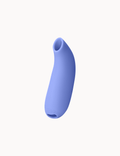
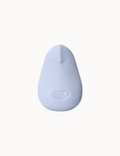
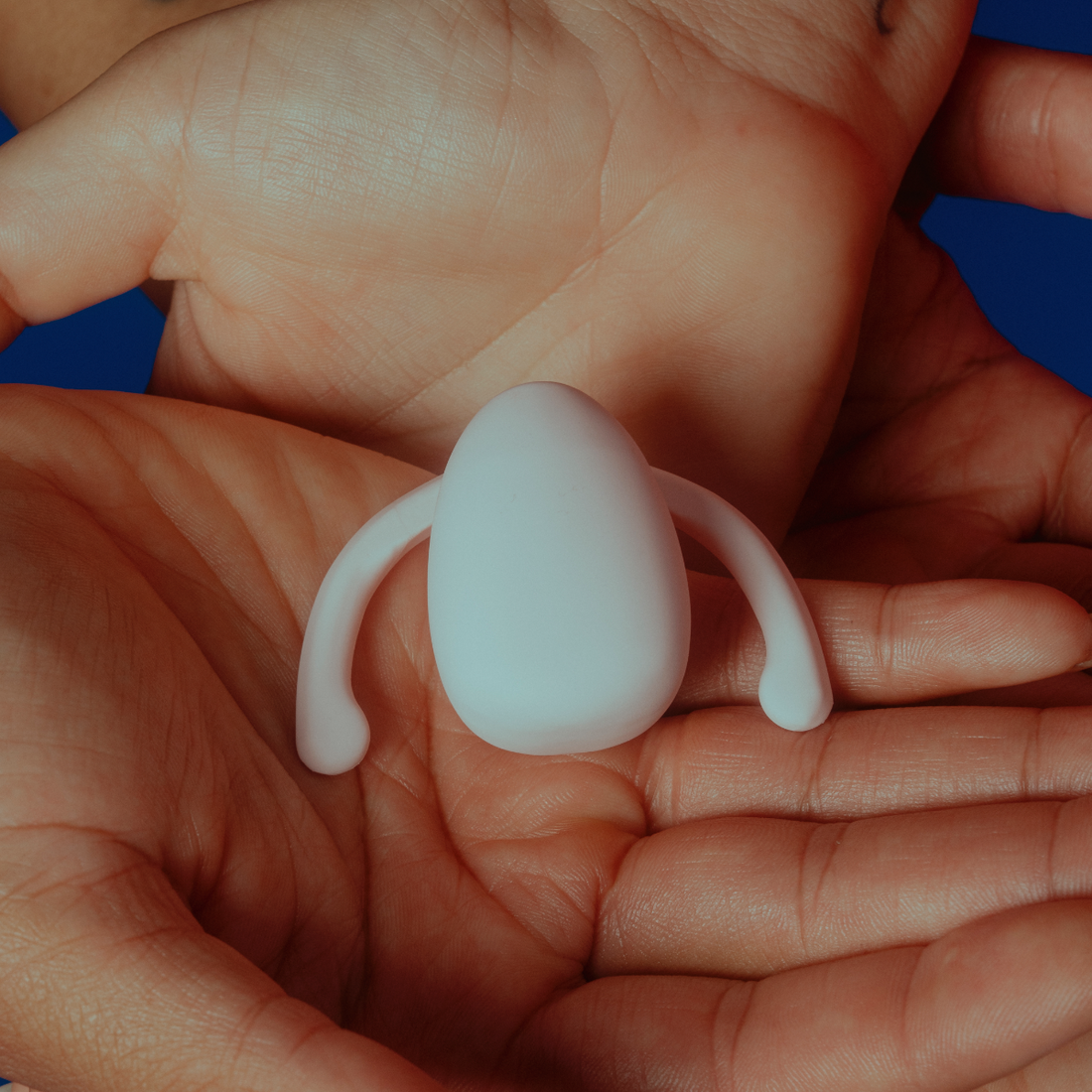
Anyone who’s never used a vibrator, though—who knows orgasm only through the lens of skin-on-skin contact—may have a harder time grasping this disparity. May in fact find himself feeling very irrelevant when faced with your Rabbit. So. Pull out your Fin and show him what it feels like. Trace nipples, stroke the shaft, press under the penis head, pulsate the perineum. (Bonus points for blindfolding him.) Bring him to orgasm using just your vibrator, and then talk about the sensation. Or, whip out Eva and experience enhanced sensations together, neither of you feeling left out and both of you landing on the same page.
Buy him a sex toy of his very own
Male masturbation remains frustratingly stigmatized in a couples’ context: Whereas partnered women often masturbate as a complement to intercourse, male masturbation often gets framed as a stand-in for when you’re not getting any. Understanding masturbation as a replacement for PIV sex leads to misunderstandings about the purpose women’s vibrators actually serve.
An easy way to highlight that fallacy is by introducing your partner to a masturbator of his very own, offering up an opportunity for him to spend some time in self-pleasure before reflecting on whether or not that solo endeavor dampens his desire for human contact. The answer will invariably be no, and should help him connect some dots.
Shop for one together
Granted, in my experience, in-the-moment excitement about matching a machine to my particular pleasure points didn’t prove an equally pleasurable experience once my partner and I got to the bedroom, but it can demystify things somewhat. Especially if you visit a shop with professionals on-hand to walk you through your options and how best to use them, the feeling of this being a together-activity should eclipse the feeling of exclusion.
Also, exposure to the wide range of shapes—many of which aren’t phallic in the slightest—should help illustrate the point that vibrators aren’t replacement dicks, but rather, tools for extra stimulation (most frequently of the clitoris).
Let him use it on you
I think all cis, straight people would do better to disabuse themselves of the notion that PIV sex is the goal of any erotic encounter. There are so many pleasurable and bonding and satisfying sensations that neither begin nor end with a penis thrusting into a vagina. So, women: Let your partner take the reins. Hand him your favorite vibrator and let him figure out what gets you off. Or, invite him in on your solo session, guiding his hand to maneuver the machine. Because anyone who gets butt-hurt about their partner getting theirs probably needs a few lessons in sharing.
That said, a fragile ego doesn’t necessarily deserve coddling, and in my experience, the vibrator isn’t the thing producing anxiety—insecurity does that all on its own. A partner who gets actively upset about or pouts at the prospect of your pleasure has deeper issues to deal with. Because realistically, given the choice between sex with a person you love and sex with a hunk of plastic, very few people are going to choose the latter. Unless the person you love is making a big stink about you having more orgasms. In that case, I hope you and the hunk of plastic have a beautiful life together.





3 comments
Asking or suggesting to bring a vibrator into bedroom with my husband ended up, making him feel really insecure too. Years later, he was open to the idea, but not really.
It led to a lot of resentment on both sides he would finish. I wouldn’t. I’d go to the couch after we fell asleep never feeling quite fulfilled even with the other areas of our life.
And when I tried to talk to him about it very gently, he became defensive, even though I came at it from a place of some women need more stimulation and I want you to be involved and active and I want to feel cared for during that. But it was about him.
And while he didn’t have male tears. I’m sure he did behind closed doors.
We are now divorced not necessarily because of that, but we all know that divorce happens due to many things and I was really sick of coming second with many things in our life.
I didn’t take that article as harsh at all, and this prior comment needs to understand that most of the time cis women are feeling unequal. It takes a very strong person to not feel intimidated. Sometimes it doesn’t matter how you bring it up.
Wow, this post has a lot of shaming and not a lot of empathy, which is surprising considering the values Dame wants to stand for elsewhere. What are “male tears” and why are they different or less-than anyone else’s tears? It’s also unfair to equate his anxiety about a new sex toy with selfishness – assuming that he only cared about “his climax” – and it’s frankly just mean to describe his feelings as ridiculous, sulking, annoying, or “butt hurt.”
The fact is, men receive their share of negative socialization from childhood just like women, and one of those unfortunate subconscious lessons is that a part of their worth comes from sexual prowess. Deep down, most men want nothing more than to help their partner experience deep pleasure, and to feel like a successful lover. So let’s validate the fact that it makes sense for some men to feel anxiety or even rejection when they sense that they aren’t as necessary as they used to believe. Does that mean women shouldn’t own all the toys and use them whenever they want? Of course not! More self care is always worth celebrating, and every woman deserves that. But in a loving relationship, those issues are something to work through in a supportive way, not through shaming.
There are some good tips in the rest of the post, but let me add some others:
- Try not to frame any particular device as a replacement or duplication of something you do together. If there’s a particular technique, body shape, or sensation that the two of you always do together, then don’t make him feel that a new purchase is about trying to mechanize that aspect of your pleasure. Even though that can be a nature instinct (“I love this feeling, so I want more of it even when we aren’t together”), putting it in that context really does feel like being replaced by a machine, and may also make him wonder whether he was enough in the first place. (Of course, if he really wasn’t good at that thing, you don’t have to settle for that – start teaching him! Men aren’t mind readers at what feels good to you.)
- Avoid language that evokes comparisons. When you’re in the moment and talking off the top of your head, it’s easy slip into comparing your experiences with and without him. But saying things like “this makes me come so much faster than usual” or “this one is so big” or “the battery on this has never let me down” invite his insecurities to grow. Pleasure is pleasure, and it’s perfectly OK to feel different things with different experiences. But it’s useful to use language that will build him up, not add fuel to the fire if he’s already expressed anxiety.
You close with “a fragile ego doesn’t deserve coddling,” and maybe in some situations that’s true. But it’s a guaranteed fact that both partners in all relationships have their own healing to do, and if you want a partner who will care about your hardships and love you through your imperfections, you’d better be willing to hold space for theirs, too. That’s not coddling, it’s love. And that empathy is the bedrock for all healthy relationships.
Insecurities sounds like an issue with some relationships. Vibrators can be useful apparatus in a relationship. Pharmaceuticals can kill a libido in many cases sometimes it just takes a little creative foreplay to overcome but if an issue arises communication is in order and if you can’t comunacate the vibrator isn’t the problem. Just an opinion