




How to Introduce a Vibrator Into Partnered Sex Without the Awkwardness
3 min read

The easiest way to bring a vibrator into sex with a partner: communication. Are you surprised? Talk about it before you're in bed, frame it as something you're curious about together rather than a fix for a problem, and start by using it as an enhancer for what you already enjoy, not the main event.
Bringing it up
Timing helps more than wording. A calm (clothed) conversation lands better than producing a toy mid-moment. Keep it light and curious. Something light, like, “I've been wanting to try a toy together, would you be into that?" opens the door without pressure. Framing it as exploration rather than a review of your partner's performance keeps it from feeling like a critique. You're inviting, not correcting. Everyone’s happy.
Does it mean something's wrong?
Not at all — vibrators add a kind of stimulation hands and bodies don't always provide on their own, particularly focused clitoral stimulation, which penetration alone often misses for people with vulvas. It's an enhancement, the same way trying a new position is. If a partner worries it means they're not enough, say directly that it's about adding to a good thing, not replacing them. That usually settles it.
Actually using yours
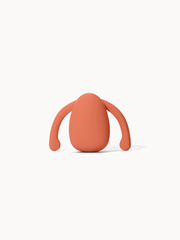
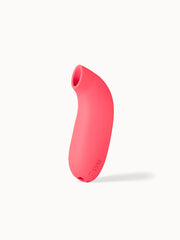
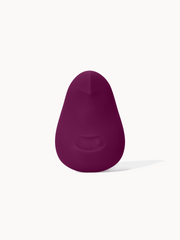
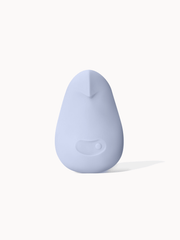
Start small and keep it familiar. Bring the toy into something you already do, rather than reorganizing the whole encounter around it. A hands-free option like Eva can be worn during penetration so no one has to manage it, while a small external toy like Pom can be held by either partner and used during foreplay or intercourse. Begin on a low setting, let it be one element rather than the center, and adjust from there.
What works best for couples
For partnered sex, the two most useful shapes are wearable and small-and-handheld. A wearable sits against the clitoris and stays put during penetration, which keeps hands free. A compact handheld is easy to aim and pass back and forth. Simple controls matter more here than in solo use, because nobody wants to squint at or fumble for buttons in the middle of hot sex. A body-safe silicone and a quiet motor round out the shortlist.
If your partner still feels insecure
Address it plainly and early. Reassurance works best when it's specific: name what you enjoy about sex with them, and position the toy as something you're adding because things are already good. It may help to choose the toy together, so it feels collaborative rather than done to them. The insecurity usually fades once a toy stops being an intimidating mystery object and becomes something you use together.
Questions people actually ask
How do I introduce a vibrator without hurting my partner's feelings?
Bring it up outside the bedroom, frame it as curiosity and something you want to try together, and make it clear it's an addition, not a fix for some other shortcoming.
Should I use the toy on myself or my partner first?
Either works! Some couples find it easier to start with the toy as a shared, low-stakes part of foreplay, with whoever's more comfortable holding it, before building it into intercourse.
What's the least intimidating toy for couples?
A hands-free wearable or a small handheld with simple, one-button controls. Both are easy to use during sex without a lot of fumbling.
What if the vibrator is distracting during sex?
Start on the lowest setting and treat it as one element rather than the focus. You can always set it aside. There's no rule that it has to be on the whole time.


