



Sexuality and Disability: Promoting Inclusivity and Support
6 min read

As of 2021, 12.7% of the noninstitutionalized population in the U.S. has a disability, or about 41.1 million people. Mainstream efforts (like the Americans with Disabilities Act) have worked to improve equality and access in certain areas, but the role of sexuality for people with disabilities is often put on the back burner.
Pleasure is a human right. It’s high time we dive into conversations about mobility, access, and support needs that inspire pleasure.
Sexuality is not exclusive to able bodied people
The first step to promoting inclusivity in the sexual realm is reframing our thinking about sexuality and disability. Though it would be easy to make assumptions about someone’s sexuality based on their physical or cognitive abilities, it’s wildly inaccurate to do so. Sexuality is highly complex and results from “interactions of the somatic and autonomic nervous systems operating at the central and peripheral levels. Disruption of endocrine, neural, or vascular response, caused by aging, medical illness, neurological diseases, surgery, or drugs, can lead to sexual dysfunctions”.
A person’s disability may affect one part of this chain, but ultimately they are a whole person, and their identity and sexuality is not defined by their disability. Bottom line: sex may look different for people with disabilities, but the role of sex in someone’s quality of life is completely individualized. Even two people with the same diagnosis may have different opinions about how sexuality fits into their lives.
The second step is to promote conversations around disability and sexuality. It’s critical to understand how sexuality fits into your life. Conversations that include open ended questions offer a deeper opportunity to connect with your partner, or better yet, with yourself. Follow up asking these questions by practicing active listening. Here’s a few starting points:
- Do you like to be touched, if so how & where?
- Are there sex acts or acts of intimacy that make you feel at home in your body?
- Are there any safe words you’d like to have for me to know about, or any sensations you’d like to avoid?
- How can I empower you sexually?
- How do you as a disabled person move through the world?
- What are your boundaries or limits?
Consider trauma history
Though often underrepresented in the media, people with disabilities experience significantly higher rates of sexual violence than people without disabilities. Statistics can be varied because of how a disability is defined as well as underreporting, but- brace yourself for this one- “as many as 40% of women with disabilities experience sexual assault or physical violence in their lifetimes and that more than 90% of all people with developmental disabilities will experience sexual assault”.
With a high likelihood that someone with a disability has experienced sexual abuse or assault, consent is absolutely paramount here. Depending on a person’s communication abilities, consent may need to be verbal, written, or utilize technology like augmented and alternative communication (AAC). Never, never make assumptions about consent if it’s not explicitly expressed, and always make sure this consent is maintained/ongoing.
In folks with or without disabilities, rediscovering sexuality after trauma can be an intricate process and lengthy process. Reflecting on your own needs as a trauma survivor or the needs of your partner if they are a trauma survivor can help determine how, where and when intimacy fits into your life.
Consider physical abilities
Get to know your body or your partner’s body
- Getting to know your body and your partner’s body. Lots of things can affect sexuality, such as conditions that involve chronic pain (that doesn’t get you in the mood!), fatigue, or medications. These things can affect vaginal lubrication or erectile dysfunction. Conditions like spinal cord injuries, traumatic brain injuries or amputations can affect where you can feel sensation in the body
What about sex toys?
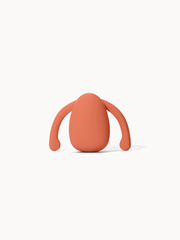
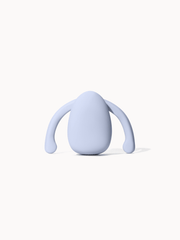
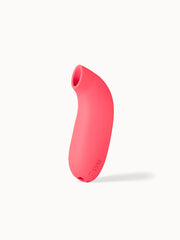
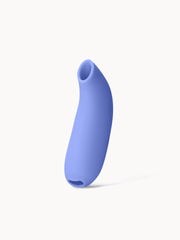
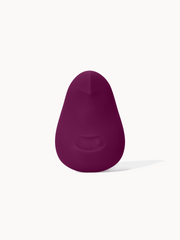
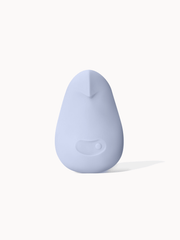
- For partnered or solo play, sex toys can be a great addition to enhance pleasure for everyone involved. The trouble is, many sex toys require significant dexterity in the hands in order to operate, which someone may not have if motor or sensory function is impaired in the hands. Good news: Dame offers a variety of shapes in their toys which can accommodate various needs. Grip not a problem? Com, Arc or Dip might be good choices. Trouble with using hands? Go hands free with Eva, or slide Fin onto your finger.
- Touch is just one of the five senses! Tuning into sight, hearing or even smell can also provoke erotic experiences. Watching or listening to porn can be great options, or smelling sensual scents
What positions will work?
- The world of sex positions may be an able bodied person’s oyster, but changes in physical abilities may encourage you to get creative with what feels good and doable for your body. Back pain when lying down? Try Dame’s Pillo to get comfortable. Trunk stability a problem? Try sidelying, or having your partner on top. If you’re wheelchair bound, have sex in your wheelchair! The point is, experiment with what works for you and your body.
Consider alternatives to penetrative sex
- Penetrative sex doesn’t have to be the end goal. Penetrative sex may not work for your body for a whole variety of reasons, including medications and conditions that decrease vaginal lubrication, changes in tone of the anal sphincter, concerns about bowel and bladder function during sex, and sensation changes to the genitals (loss of sensation or hypersensitivity to this region). There are many other forms of enjoyable sex without penetration
- Though it’s easy to zero in on the genitals as pleasure central to the body, other erogenous zones shouldn’t be ignored. Spend time exploring what feels good for you or your partner’s body!
How can we promote sexual inclusivity and support?
- Ask open-ended questions about how sexuality fits into someone’s life, and avoid making assumptions about a person based on their physical abilities or diagnosis
- Consider the prevalence of sexual abuse/assult, and support survivors with empathetic conversations, avoiding judgement and familiarizing yourself with resources for further professional help
- Listen to some incredible conversations around sexuality and disability from Gaelynn Lea and Dr. Danielle Sheypuk
- Longer reads like The Body is Not An Apology by Sonya Renee Taylor and Pleasure Activism by Adrienne Maree Brown explore cultural implications of pleasure, but are not disability specific
- The Ultimate Guide to Sex and Disability by Miriam Kaufman, Fran Odette, and Cory Silverberg speaks for itself
It’s time to start showing up in support for disabled people inside and outside the bedroom.
-
 Wellbeing
Unplug and Reset: A Guide to Digital Detoxing for Mindfulness
Taking time to unplug from your devices isn’t just a luxury—it’s essential self-care.
-
 Wellbeing
The Benefits of Oil-Based Products for Intimate Body Parts
Oil-based products offer more than just a silky feel—they hydrate, soothe, and enhance pleasure for your most sensitive areas. Discover why oils might be your new go-to for intimate wellness.
-
 Wellbeing
Digital Detox: Reclaiming Time for Essential Self-Care
Let's embrace the power of a digital detox and rediscover the joys of life beyond the screen.
-
 Wellbeing
The Power of Daily Self-Love Rituals
Incorporating daily self-love rituals can serve as anchors, grounding us in self-compassion and inner peace.
- View all


