










Sex Therapy: Different Types, What It Can Help, & What You Can Expect
7 min read


What is Sex Therapy?
Sex therapy is a specialized form of psychotherapy that focuses on sexual health, intimacy, and relationships. To better understand this vital but often misunderstood field, we spoke with Moushumi "Mou" Ghose, owner and director of Los Angeles Sex Therapy and a licensed marriage, family, and sex therapist.
According to Ghose, there's "lots of overlap" between sex therapy and other forms of relationship counseling. "Sexuality is often intertwined with intimate relationships, and relationships are often intertwined with sexuality," she explains. While some sex therapy focuses specifically on sexual concerns, most cases involve addressing both relationship and sexual aspects of a person's life.
What Can Sex Therapy Help With?
Sex therapy can help address a wide range of intimate concerns that affect individuals and couples. Whether stemming from physical conditions, emotional experiences, or relationship dynamics, many sexual difficulties are common and treatable with professional support. Here are some key areas where sex therapy can make a significant difference:
-
Sexual Desire and Arousal Challenges: This can include both low libido and mismatched desires between partners, which often emerge during major life transitions like having children, career changes, or aging. Many couples experience desire discrepancies at some point, and therapy can help develop strategies to bridge these gaps while respecting both partners' needs.
-
Physical Sexual Difficulties: Conditions like painful intercourse (dyspareunia), vaginismus, erectile difficulties, or orgasm challenges often have both physical and psychological components. These issues might arise from medical conditions, past experiences, or anxiety about sexual performance, and therapy can address both the symptoms and their underlying causes.
-
Trauma and Mental Health Concerns: Many individuals carry the impact of sexual trauma, abuse, or negative early experiences with sexuality. Sex therapy provides a safe space to process these experiences and develop healthy, confident sexual expression while addressing related anxiety, fear, or shame.
-
Identity and Cultural Considerations: Issues related to sexual orientation, gender identity, religious beliefs, or cultural background can significantly impact sexual well-being. Therapy helps people navigate these complex intersections while honoring their values and finding authentic ways to express their sexuality.
-
Relationship and Communication Issues: Sexual difficulties often reflect or affect broader relationship dynamics. Whether it's improving communication about desires, navigating non-traditional relationship structures, or addressing intimacy issues that arise during relationship transitions, sex therapy helps couples build stronger connections both in and out of the bedroom.
Sex therapy can be valuable for anyone looking to improve their sexual well-being or intimate relationships. While some people seek therapy to address specific concerns like pain during sex, mismatched desires, or difficulty with orgasm, others might want to explore their sexuality, improve intimate communication, or enhance their current relationships. You don't need to be experiencing a crisis to benefit—many individuals and couples find it valuable for personal growth, life transitions, and relationship enhancement.
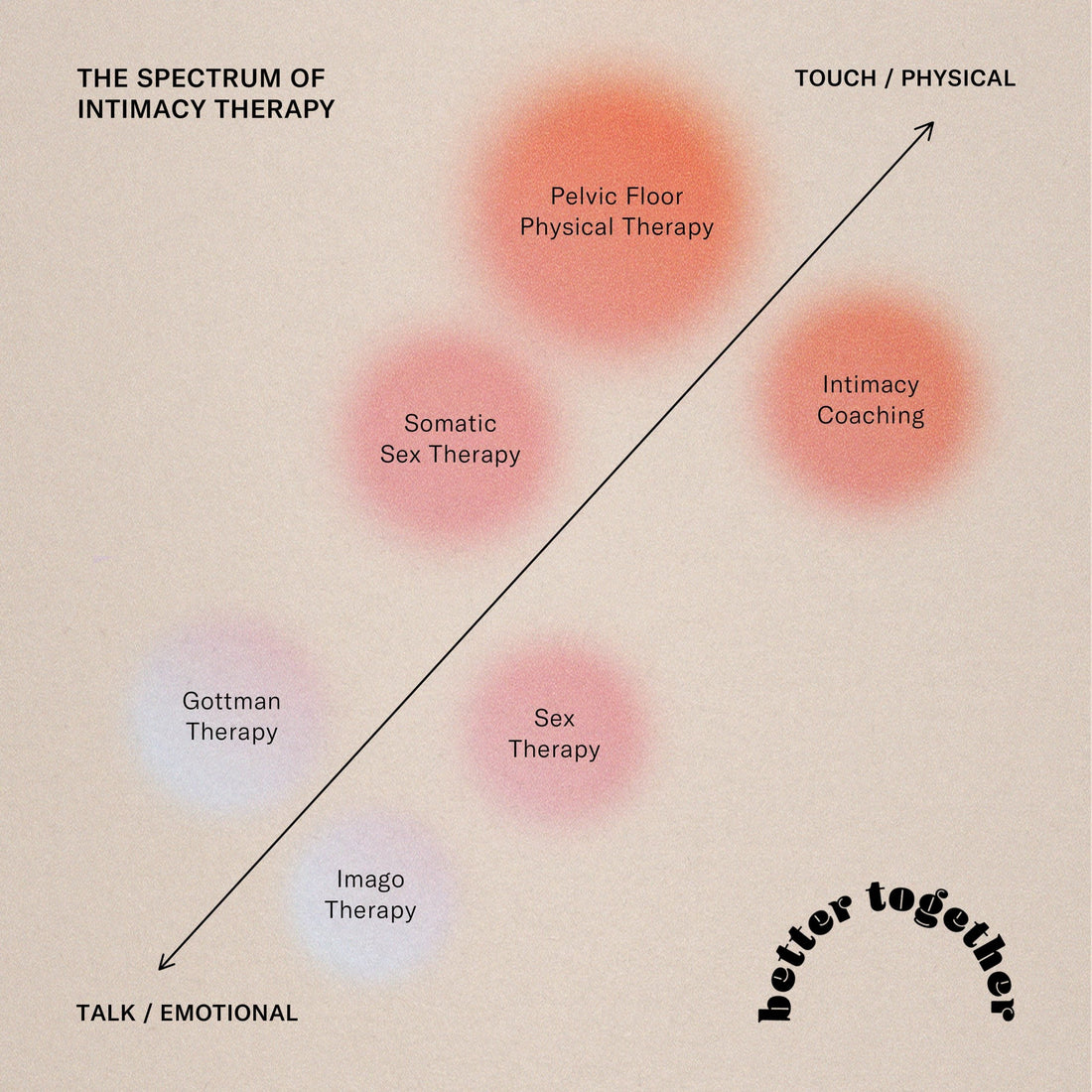
Different Types of Sex Therapy & Sex Therapy Techniques
Relationship Therapy
Logically enough, "relationship therapy often focuses on the dynamics within a relationship,” Ghose says. “This may be with a couple, with the family, or even with an individual.” There’s a focus on communication and understanding yourself in relation to others. Many therapists are trained in some form of relationship therapy, such as Imago therapy or John Gottman‘s relationship therapy.
Hands-On Intimacy Coaching
This focuses on the physical aspects of sex. This will most likely be with a sex coach, a surrogate partner, a sexual embodiment worker, or tantra worker.
Somatic Sex Therapy
A form of psychotherapy that focuses on “the bodily symptoms in relation to the mind,” Ghose says. Integrating both talking and touching, it’s a more holistic form of psychotherapy and is gaining more popularity in the mental health community. It can be done alone or with a partner.
Pelvic Floor Physical Therapy
Rebecca Rizzo, a physical therapist with a concentration in pelvic floor physical therapy, defines it as “a rehabilitation service providing specialized care to both male and female patients to help them manage conditions related to the pelvic floor.” Pelvic floor issues can cause pain and discomfort, and when they do, "it creates a barrier to relationship,” Rizzo says. “Many times, patients are just craving a more gentle touch to help reduce their pain symptoms.” Through treatment sessions and education, pelvic floor physical therapy helps to educate patients on “self-love of their own bodies, exploring bodies, and the intimacy of contact.”
What Does a Sex Therapist Do?
A sex therapist is a professional who specializes in helping individuals and couples navigate sexual and intimate relationships. Unlike other types of counselors who might touch on sexual topics occasionally, sex therapists have extensive education and certification specifically focused on addressing sexual concerns.
In practice, sex therapists can serve multiple roles: they can act as educators, providing accurate information about sexual health and function; they can work as counselors, helping clients process emotions and experiences related to sexuality; they can function as coaches, offering practical strategies and exercises to improve sexual well-being, and more. They might teach communication techniques, provide behavioral exercises to try at home, help process past trauma, or work with couples to bridge differences in sexual desires or preferences. They also often collaborate with other healthcare providers, such as physicians or physical therapists, to ensure clients receive comprehensive care for both the physical and psychological aspects of their sexual health.
What Can I Expect from Sex Therapy?
When you begin sex therapy, your first few sessions will focus on building a foundation with your therapist and exploring your concerns in a safe, non-judgmental environment. Your therapist will take a detailed history, discuss your goals, and work with you to develop a personalized treatment plan. While discussing intimate topics can feel uncomfortable at first, sex therapists are trained to help you feel at ease and move at your own pace.
Typical sessions last 45-50 minutes and may be conducted individually, with a partner, or both, depending on your needs. Your therapist might assign "homework" exercises to practice between sessions - these could include communication exercises, mindfulness techniques, or specific behavioral activities to try at home.
The length of therapy varies significantly based on individual circumstances—some people achieve their goals in 8-10 sessions, while others benefit from longer-term support. Many clients report seeing initial improvements within the first few months, including better communication with partners, reduced anxiety around sex, and increased confidence in addressing sexual concerns. Throughout the process, your therapist will regularly check in about your progress and adjust the treatment approach as needed to ensure you're moving toward your goals.
Are Sex Therapists Covered by Insurance?
Many sex therapists accept insurance, though coverage varies by provider and plan. Some therapists offer sliding scale fees or other payment options. It's recommended to check with both your insurance provider and potential therapists about coverage options.
Honorable Mention: Other Types of Sex Professionals
There are many bodyworkers that provide healing, such as dominatrices, tantra workers, yoni massage therapists, and sex educators who do body, sex, relationships and intimacy-related healing—but they may or may not call themselves "sex therapists," per se. The kind of professional help you seek out will depend on what you’re looking for: Better communication in your relationships? To explore BDSM? Help with coming back to your sexuality postpartum? There are humans who do it all. AASECT (the American Association of Sexuality, Educators and Therapists) is a great resource to start your search.
Sex therapy offers a professional, evidence-based approach to addressing sexual and relationship concerns. Whether you're dealing with specific sexual difficulties, relationship challenges, or simply want to enhance your intimate life, various types of sex therapy can help. A healthy sex life, whether alone or with others, can have such a positive impact on your overall well-being. The key is finding the right type of therapy and professional for your specific needs. Many people find that combining different approaches—such as traditional sex therapy with pelvic floor physical therapy—provides the most comprehensive support for their sexual health goals.
-
 Sexual Wellness
What Is The Difference Between Vaginal Moisturizer and Lubricant?
-
 Sexual Wellness
How Air-Pulse and Clitoral Suction Vibrators Actually Work (And Why They’re So Popular)
-
 Sexual Wellness
The Bullet Vibrator Guide: Why Small Toys Win at Precise, Pinpoint Stimulation
-
 Sexual Wellness
How to Introduce a Vibrator Into Partnered Sex Without the Awkwardness
- View all


