


Desire vs. Arousal: What’s the Difference?
March 20, 2026
Desire vs. arousal explained: dopamine, nervous system responses, and why women often experience arousal without desire (and vice versa).
 Free Shipping
 Free Gift
 60-Day Returns
 3-Year Warranty

8 min read
Created on 05/01/2026
Updated on 14/01/2026

If you’re frequently tensing up at the thought of penetrative sex, you may have vaginismus. Sex is and should be something that’s always pleasurable, whether you’re with a partner or going solo. However, there are times when even though your mind wants sex, your body isn’t willing to play ball.
Never heard of vaginismus? It’s not often talked about as many people feel it’s shameful. However, vaginismus can be experienced by anyone with a vagina, and it’s nothing to be embarrassed about.
It’s estimated that vaginismus affects up to 6% of people over the course of their lifetime, but it could be more, as many people are ashamed to talk about it.
According to WebMD, vaginismus occurs when your vaginal muscles involuntary contract or spasm when something is entering it. While the level of pain can vary, some have likened the feeling to being scraped with razors or stabbed with a needle.
Many people find they have vaginismus when they try to use a tampon, have a Pap smear, or enjoy penetrative sex for the first time. The jury’s out on definitive causes for vaginismus and symptoms can vary from person to person. However, vaginismus has been linked to past experiences of painful intercourse as well as abuse and trauma. Anything from growing up in a religious household to worrying about getting pregnant can potentially play a role.
However, previous surgeries, infections, radiotherapy, and childbirth can all contribute to occurrences of vaginismus too. Sometimes it just happens for no reason at all. Some people have an active and healthy sex life only to find one day; they start to tense up.
Vaginismus isn’t one-size-fits-all. Clinicians typically distinguish between two forms:
Both forms are equally valid and treatable. The important part is understanding which experience feels closest to yours so you can get the right support.
Some symptoms are obvious while others are more subtle. Beyond pain, people may experience:
Some describe the sensation as “my body just shuts the door” or “everything clenches before I even realize it’s happening.” These experiences are incredibly common among people with vaginismus
The Cleveland Clinic also notes that some women develop the condition later in life after doing these things for years without problem.
Healthcare research shows vaginismus can have a blend of emotional, physical, and situational causes:
Most importantly: none of these causes imply something is wrong with you. They’re simply clues that help you and your providers understand where to begin healing.
Vaginismus and anxiety can come together in a catch-22 situation. You’re anxious about tensing up, which makes you even more nervous! People with vaginismus view themselves in a more negative light than people that don’t have it. This can lead to a lack of confidence that not only affects your sex life, but life in general too.
If you have vaginismus or are struggling with a tenser vagina, give yourself compassion and grace. It’s your body telling you to be a little extra gentle, supportive, and loving so it can be in its fullest expression.

If you think you have vaginismus, the first thing to do is to see your doctor – don’t be afraid to ask for a female doctor if it makes you feel more comfortable. They’ll ask you a few questions about when you experience pain. They’ll then examine you to check if your symptoms don’t correspond to any other conditions. If you do have vaginismus, there are a range of treatments available, and it may take a little time to find the one (or the combination) that’s right for you.
If you’re wondering whether you might have vaginismums, here’s what getting diagnosed usually looks like:
Here’s how treatment generally unfolds, in both the original content and expanded medical guidance:
A vaginal dilator is a plastic or silicone rod used to relax your pelvic floor muscles and reduce pain. Think of it as a medical dildo! You gently insert the dilator (using lube) for a few minutes each week. You can go at your own pace and move on to a larger dilator when you’re ready to do so. Involving a partner can be a great way to build intimacy but remember – you need to call the shots.
As vaginismus means you lose control over your muscles, exercise can help you take the power back. Pelvic floor stretches are very similar to yoga and can help you strengthen the muscles around your vagina.
Mindfulness exercises can help too. By focusing on your breathing and blocking out unwanted thoughts, you can lower your anxiety levels and take control of your vaginismus. Meditation, journaling and adult colouring books can be great ways to do this – whatever works best for you.
Your doctor may recommend pelvic floor physical therapy to you. This is a therapy designed to help people with a range of pelvic floor issues, including vaginismus. A physical therapist will see how strong your pelvic floor muscles are and put together a plan to help strengthen your muscles, including exercise, the use of dilators and even electrical stimulation.
The advantage of physical therapy is because treatment is bespoke to your needs, it’s more likely to be successful. Studies have shown patients rate it as highly successful.
If you believe your vaginismus is related to a psychological issue, counseling can help you talk through your problems and work to relieve any anxiety you may have. As we mentioned earlier, vaginismus can be linked to both physical and psychological trigger points. Many who have experienced trauma or abuse in the past, especially surrounding sex, are likely to have the condition.
A 2011 study has shown people with vaginismus are twice as likely to have experienced sexual abuse in childhood. With others, a traumatic sexual experience or anxiety around intercourse can play a part. The therapy and counseling used will differ from person to person.
Cognitive behavioral therapy looks at how your thoughts and actions affect your vaginismus and teaches you coping skills. Sex therapy looks at approaches you can take to improve communication and intimacy with your partner. By talking through your worries and concerns, you can both build up your confidence in the bedroom.
Many people ask if surgery is an option for vaginismus, but we wouldn’t recommend it. Surgery can make vaginismus worse as it can reduce sensation and make intercourse even more painful. Some clinics offer Botox to cure vaginismus as it relaxes the vagina muscles.
While studies have shown it may improve symptoms, it’s worth bearing in mind that while Botox may relieve the physical issues vaginismus causes, it doesn’t help if there are any underlying psychological problems.
Here’s the short answer: Vaginismus is highly treatable, and for most people, it improves dramatically with the right support. According to GoodRX, 79% of people were able to have sex successfully after treatment, which can consist of dilator training, pelvic floor PT, and/or therapy.
Vaginismus isn’t a life sentence. Muscles can relearn. Nerves can settle. Confidence can rebuild. Many people go on to have comfortable, pleasurable sex, use internal products, or enjoy new forms of intimacy.
Healing takes time, but it does happen.
Vaginismus can be frustrating, especially if you want sex but know you are having a difficult time with it. The important thing to remember is that your condition doesn’t define you. Many people with vaginismus think they’re ‘broken’, but this just isn’t the case. Most people who experience vaginismus can still get aroused, meaning you can enjoy oral sex, foreplay, and gentle masturbation. Take your time, and if you’re with a partner, don’t be afraid to tell them to stop or slow down.


Desire vs. Arousal: What’s the Difference?
Desire vs. arousal explained: dopamine, nervous system responses, and why women often experience arousal without desire (and vice versa).

Valentine’s Day Sex: Best Ideas, Positions, & Toys
Valentine’s Day sex ideas for solo or partnered pleasure, including romantic positions, playful inspiration, and the best sex toys to enhance intimacy.

Libido: What It Is, Why It Changes, and Why You’re Not Broken
Libido isn’t just hormones. Learn what libido is, why desire changes, and what low libido really means—through neuroscience, compassion, and real life.

What Is a Queef, Really? Causes, Symptoms & When to See a Doctor
Curious about queefing? Get answers on why it happens, how it feels, how to prevent it, how to queef, and when it’s worth talking to a doctor. No shame, just...
March 20, 2026
Desire vs. arousal explained: dopamine, nervous system responses, and why women often experience arousal without desire (and vice versa).

January 28, 2026
Valentine’s Day sex ideas for solo or partnered pleasure, including romantic positions, playful inspiration, and the best sex toys to enhance intimacy.

January 27, 2026
Libido isn’t just hormones. Learn what libido is, why desire changes, and what low libido really means—through neuroscience, compassion, and real life.

January 6, 2026
Curious about queefing? Get answers on why it happens, how it feels, how to prevent it, how to queef, and when it’s worth talking to a...

January 5, 2026
Vaginismus explained: types, causes, symptoms, triggers, and treatment options. A guide to easing pain and improving comfort.

April 22, 2025
Cannabis may enhance sex by boosting pleasure, arousal, and connection—but it’s not for everyone. Learn how THC and CBD affect intimacy and how to explore safely.
A: A vibrator is a powerful and versatile personal pleasure device that creates vibrations to stimulate various sensitive areas of your body, like the clitoris and G-spot. They come in a wide range of shapes, sizes, and features, so there's something for everyone.
Vibrators can be used on almost any erogenous zone, offering unique sensations that can boost your pleasure and help you discover what feels amazing. Some are designed to mimic penetration, while others focus on external stimulation to give you an unforgettable experience.
Did you know that fewer than 20% of vulva-owner can climax solely with vaginal stimulation or intercourse? This is why vibrators have been growing in popularity, and why companies like Dame are dedicated to amplifying the conversation of closing the pleasure gap.
Learn more on the blog.
A: Using a vibrator can enhance your pleasure significantly, but where you use them differs based on preference and if you are a vulva or penis owner. Begin by selecting a comfortable and private space where you feel at ease. If desired, use sex toy-safe lubrication, as this will enhance sensations and reduce friction. Turn on your vibrator (usually a button on the opposite end of the "head"), and explore different settings or intensities using the buttons provided on the device and gradually finding what feels best for you.
For an additional step-by-step guide, check out detailed instructions here, which talk about insights on techniques, positioning, and tips for maximum pleasure.
A: There are numerous types of vibrators, each designed for various forms of stimulation:
Clit Vibrator: These are specifically shaped to target the clitoris, often with a compact and discreet design for ease of use.
G-spot Vibrator: Typically curved, these vibrators are designed to reach and stimulate the G-spot, providing deeper sensations during penetration.
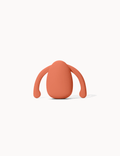
Finger Vibrator: Small and often worn on the fingertip, these offer precise control and are perfect for targeted stimulation.
Couples Vibrator: Designed to be worn during intercourse, they provide simultaneous pleasure by stimulating both partners.
Vibrating Cock Ring: Worn around the base of the penis, these enhance sensations for both partners during sex and can help with stamina.
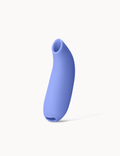
Suction Vibrator: These use suction air-pulse technology to create a unique sensation for the clitoris, often simulating oral stimulation.
Wand Vibrator: Known for its powerful motors and larger size, these versatile devices can be used all over the body for broad-based pleasure.
Bullet Vibrator: Compact and portable and designed for targeted stimulation and are perfect for both solo and partnered play.
A: Yes! Dame vibrators are designed to be waterproof, making them suitable for use in the bath or shower. They also come with rechargeable batteries, eliminating the need for disposable batteries and ensuring long-lasting pleasure. Most can be charged via USB, making it easy to keep them ready for when the mood strikes.
A: Dame vibrators are touted for their whisper-quiet motors, designed to pleasure without drawing attention or distracting during intimate moments. If you're looking for a discreet vibrator, try looking for something smaller in size, like a bullet vibrator.